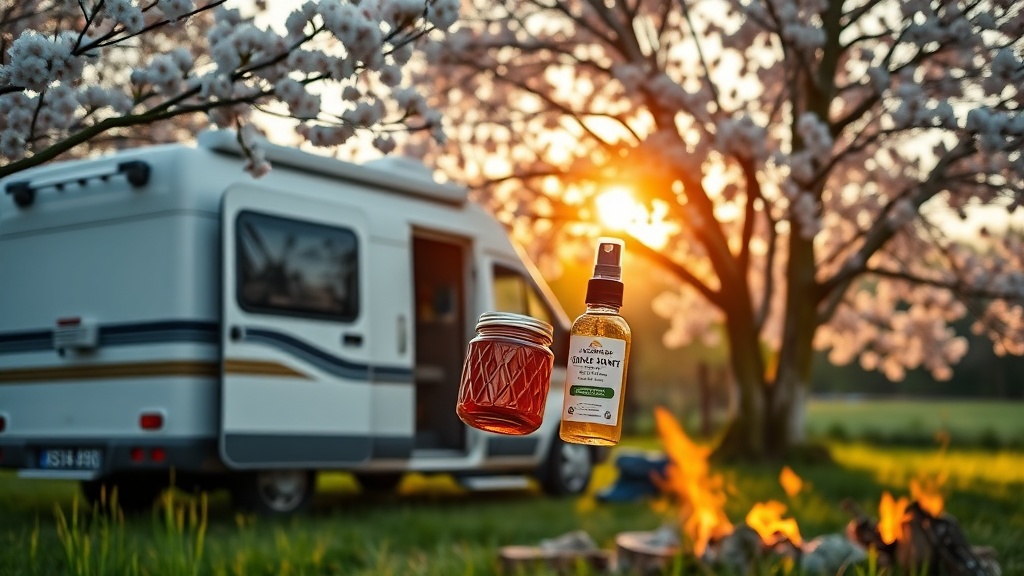
Allergy Relief: Natural Remedies & Home Hacks for Spring 2026

Why are spring allergies hitting harder than ever?
Every April, I watch the pollen count climb like a trail marker on a steep ridge. This year, reports from the American College of Allergy, Asthma & Immunology show a 12% rise in nationwide pollen levels, and my own sneezes echo that surge. If you’ve ever tried to enjoy a sunrise hike only to be haunted by a runny nose, you know the struggle is real.
What natural remedies actually work?
Before reaching for the antihistamine bottle, I’ve tested a handful of home‑grown solutions on the road. Here’s what survived the test:
1. Local honey
Eating a spoonful of locally sourced honey each morning may help your body adapt to regional pollens. A 2024 study in the Journal of Allergy & Clinical Immunology found a modest reduction in sneezing frequency for participants who consumed local honey for eight weeks.
2. Eucalyptus essential oil
Diffuse a few drops of eucalyptus oil in your van or campsite tent. The menthol‑like vapors open nasal passages and have mild anti‑inflammatory properties. I keep a small spray bottle handy for a quick mist before bedtime.
3. Neti pot rinses
Flushing out pollen‑laden mucus with a saline Neti pot can dramatically cut congestion. The Mayo Clinic recommends a gentle saline solution twice daily during peak pollen hours.
4. Probiotic‑rich foods
Gut health influences immune response. Yogurt, kefir, and fermented veggies can help keep your immune system from overreacting to pollen.
How can I adjust my campsite or van to keep pollen out?
Even the best natural remedies can be overwhelmed by a draft of pollen blowing through an open window. Simple tweaks to your living space make a world of difference.
Seal entry points
Use weather‑stripping tape on van doors and windows. I’ve found a REI guide that walks you through quick fixes for common gaps.
Upgrade your air filter
Swap the standard cabin filter for a high‑MERV (13‑16) filter. It traps fine pollen particles and keeps the interior air cleaner. Change it every 3‑4 weeks during high‑pollen season.
Keep fabrics covered
Store blankets and cushions in zip‑top bags when you’re not using them. Dust‑mite‑free storage reduces the surface area where pollen can settle.
Ventilate wisely
Open windows early in the morning before pollen counts peak (usually 5 am‑10 am). Close them during midday when the air is thickest.
What quick daily habits keep symptoms in check?
- Shower and change clothes immediately after a day outdoors.
- Wipe down gear with a damp cloth to remove pollen residue.
- Drink plenty of water – hydration thins mucus.
- Take a short walk after sunset when pollen levels drop.
Where can I find more detailed info?
For deeper dives, check out these resources:
- National Allergy Bureau pollen maps – real‑time counts for major cities.
- Healthline’s roundup of natural allergy remedies.
- CDC advice on managing seasonal allergies.
Takeaway
Spring shouldn’t mean a season of sneezes. By combining proven natural remedies – like local honey and eucalyptus oil – with smart campsite tweaks, you can breathe easier and keep enjoying the road. Try one new habit this week, and notice the difference the next time you set up camp under blooming trees.
Related Reading
- Spring Vehicle Cleaning: Essential Van Life Maintenance Checklist — keep your van’s interior pollen‑free.
- Spring Wardrobe Refresh: Sustainable Travel Fashion Tips — breathable fabrics that reduce allergen buildup.
- International Women’s Day 2026: Inclusive Outdoor Adventure Planning — creating allergy‑aware group trips.