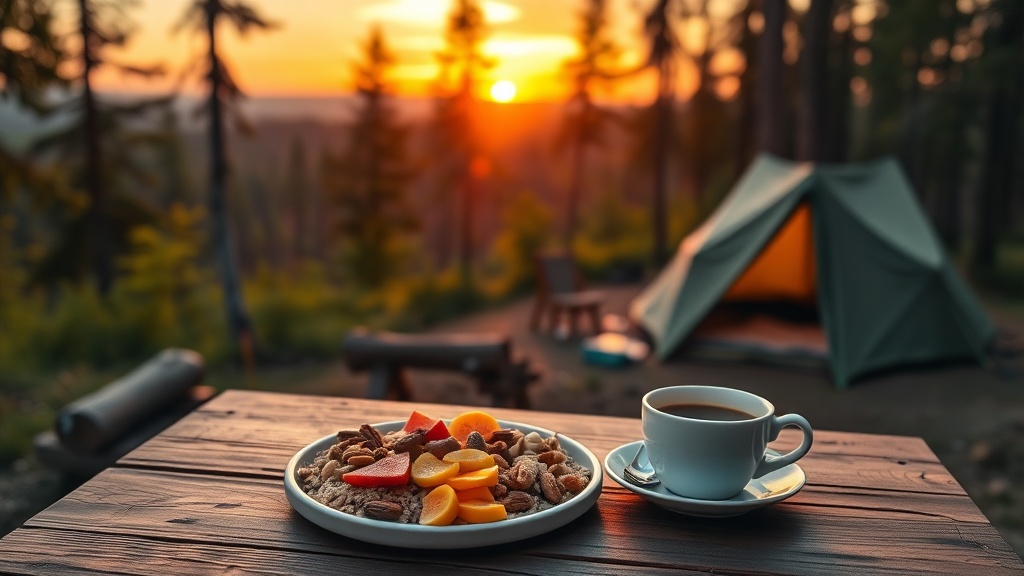
Bio‑Harmony on the Road: Timing Your Meals with Your Body Clock for Peak Camping Wellness
Bio‑Harmony on the Road: Timing Your Meals with Your Body Clock for Peak Camping Wellness
Hook: Ever feel groggy after breakfast on the trail, or notice your energy dip right after lunch under the sun? Your internal clock might be out of sync with the meals you’re eating on the road.
Context: As a van‑lifer who’s spent 600+ nights under the stars, I’ve learned that the when of eating can be just as important as the what. Aligning your meals with your circadian rhythm—what I call Bio‑Harmony—can boost sleep quality, keep your energy steady, and make those sunrise coffees taste even better.
What Is Bio‑Harmony and Why Does It Matter for Campers?
Bio‑Harmony is the practice of syncing your daily eating patterns with the natural 24‑hour cycle of hormones, body temperature, and digestion that your body follows. Research shows that eating at times that clash with this rhythm can impair glucose metabolism and disturb sleep—critical factors when you’re living off‑grid and relying on limited resources.
"Eating in alignment with the circadian clock improves metabolic health and sleep quality" — Harvard Health Publishing, 2025.
For campers, the stakes are higher: you’re often on the move, your daylight hours shift with latitude, and you may be relying on portable stoves that limit cooking flexibility. Understanding when to fuel up can make the difference between a sluggish trek and a day full of adventure.
How Does Your Body Clock Work in the Outdoors?
Which Hormones Govern Your Food‑Timing?
- Cortisol peaks shortly after waking, priming your body for a light breakfast.
- Melatonin rises in the evening, signaling your body to wind down and reducing digestive efficiency.
- Insulin sensitivity is highest in the morning and drops after sunset.
Does Latitude Change Your Rhythm?
Yes. Moving north or south changes sunrise and sunset times, which in turn shifts your cortisol and melatonin peaks. A quick sunrise check on your phone’s weather app can guide you to adjust meal times on the fly.
Practical Bio‑Harmony Meal‑Timing Guide for Van‑Lifers
1. What Should I Eat First Thing in the Morning?
Goal: Keep the meal light, protein‑rich, and low‑glycemic.
- Why: Your cortisol spike helps metabolize protein efficiently, while a heavy carb load can cause a mid‑morning crash.
- Example Breakfast: Overnight oats with chia seeds, a handful of nuts, and a splash of almond milk. Add a coffee brewed over your camp stove for that morning boost.
Tip: Prep your oats the night before in a reusable mason jar—no fridge needed if you keep it cool in a shaded spot.
2. When Is the Ideal Time for a Mid‑Day Refuel?
Goal: Aim for a balanced lunch about 4‑5 hours after waking.
- Why: Insulin sensitivity is still decent, and you’ll avoid the post‑lunch dip that many experience when eating a carb‑heavy meal.
- Example Lunch: Quinoa salad with roasted veggies, canned chickpeas, and a drizzle of olive oil. Pair with a piece of fruit for quick energy.
Tip: Use a portable solar charger to power a small blender for quick sauces on the go.
3. Should I Eat Anything After Sunset?
Goal: Keep evening meals light and finish eating at least 2‑3 hours before bedtime.
- Why: Melatonin rises after dark, slowing digestion. Heavy meals can disrupt sleep—critical when you’re sleeping in a cramped van.
- Example Dinner: Grilled fish (or a plant‑based alternative) with steamed greens and a small sweet‑potato mash.
Tip: If you’re camping in high‑altitude locations where daylight ends early, shift dinner earlier to maintain the 2‑3‑hour buffer.
4. How Do I Adjust When Daylight Saving Time Shifts?
Goal: Gradually shift your eating window by 15‑30 minutes each day leading up to the change.
- Why: A sudden jump can throw off cortisol and melatonin, leading to fatigue.
- Action: Use the Daylight Saving Reset guide you may have read earlier for a step‑by‑step plan.
How to Implement Bio‑Harmony on the Road (Step‑by‑Step)
- Check Sunrise/Sunset Times — Use a weather app or the NOAA Solar Calculator.
- Set a Meal Clock — Mark your watch or phone with three alarms: breakfast, lunch, dinner.
- Prep in Bulk — Overnight oats, pre‑cooked grains, and vacuum‑sealed proteins save time.
- Use Portable Cooking Gear — A compact induction stove or propane burner lets you cook at the right times without hunting for firewood.
- Track Your Energy — Keep a simple log in your journal: note how you feel after each meal. Adjust portions or timing based on patterns.
Common Mistakes Van‑Lifers Make with Meal Timing
- Skipping Breakfast because mornings are rushed — leads to cortisol spikes without fuel, causing irritability.
- Late‑Night Snacking after dark — hampers melatonin, resulting in restless sleep.
- Relying Solely on Canned Food — often high in sodium, which can disrupt fluid balance during hot days.
- Ignoring Latitude Shifts — sticking to a rigid schedule when sunrise moves 30‑45 minutes later.
Pro Tip: When you notice a dip in energy, check if you’ve unintentionally eaten “out of phase” with your current sunrise.
Gear Recommendations for Bio‑Harmony Meal Prep
- Compact Food Dehydrator — Allows you to dry fruits and veggies for lightweight, nutrient‑dense snacks.
- Insulated Food Containers — Keep pre‑cooked meals at safe temperatures without a fridge.
- Solar‑Powered Battery Pack — Keeps your phone’s alarm and cooking gadgets running.
- Portable Water Filter — Ensures you have clean water for cooking and hydration, essential for proper digestion.
(See my Van Life Kitchen Essentials for a deeper dive.)
Frequently Asked Questions (FAQ)
What’s the best time window for breakfast on a summer road trip?
Aim for within 1‑hour of sunrise. If sunrise is at 5:30 am, try to eat by 6:30 am.
Can I still enjoy a hearty campfire stew in the evening?
Yes, but keep the portion modest and finish eating at least 2 hours before you plan to sleep. A lighter stew with lean protein works well.
How does fasting fit into Bio‑Harmony?
Intermittent fasting can complement circadian eating if you keep the fasting window aligned with night hours (e.g., 8 pm–8 am). Avoid extending the fast into daylight when you need fuel for activities.
Does Bio‑Harmony work for children on family trips?
Children have slightly different hormone cycles, but the same principle—lighter morning meals and earlier dinners—generally improves their mood and sleep.
Takeaway: Sync Your Plate with the Sun for Better Camping Days
By timing your meals around sunrise, midday, and sunset, you’ll harness your body’s natural rhythm to stay energized, sleep soundly, and make the most of every campsite sunrise. Start tomorrow: check the sunrise time, set three alarms, and enjoy a breakfast that fuels your adventure rather than drags you down.
Happy trails, and may your meals be as harmonious as the forest at dawn.
Related Reading
- Embracing Bio‑Harmony: Sync Your Life with Your Circadian Rhythm — deeper science behind the concept.
- Daylight Saving Reset: Sync Sleep, Meals, and Movement for Spring Energy — how to handle clock changes.
- Spring Refresh: Revitalize Your Home and Mind for the New Season — broader wellness tips for spring.
Meta FAQ Schema
{
  "meta": {
    "faqs": [
      {"question": "What’s the best time window for breakfast on a summer road trip?", "answer": "Aim for within 1‑hour of sunrise. If sunrise is at 5:30 am, try to eat by 6:30 am."},
      {"question": "Can I still enjoy a hearty campfire stew in the evening?", "answer": "Yes, but keep the portion modest and finish eating at least 2 hours before you plan to sleep."},
      {"question": "How does fasting fit into Bio‑Harmony?", "answer": "Intermittent fasting can complement circadian eating if you keep the fasting window aligned with night hours (e.g., 8 pm–8 am)."}
    ]
  }
}