Dispersed Camping 101: How to Find Free Campsites and Not Screw It Up

Look, after 22 years of camping and more nights on public land than I can count, I can tell you this: dispersed camping is the best thing left in American camping. It’s free, it’s quiet, and if you do it right, it beats most campgrounds.
But here’s the flip side — I’ve watched it get trashed, overused, and regulated because people roll in without a clue. So this isn’t just a “how to find a free campsite” guide. This is how to do it right so it’s still there five years from now.
What Dispersed Camping Actually Means
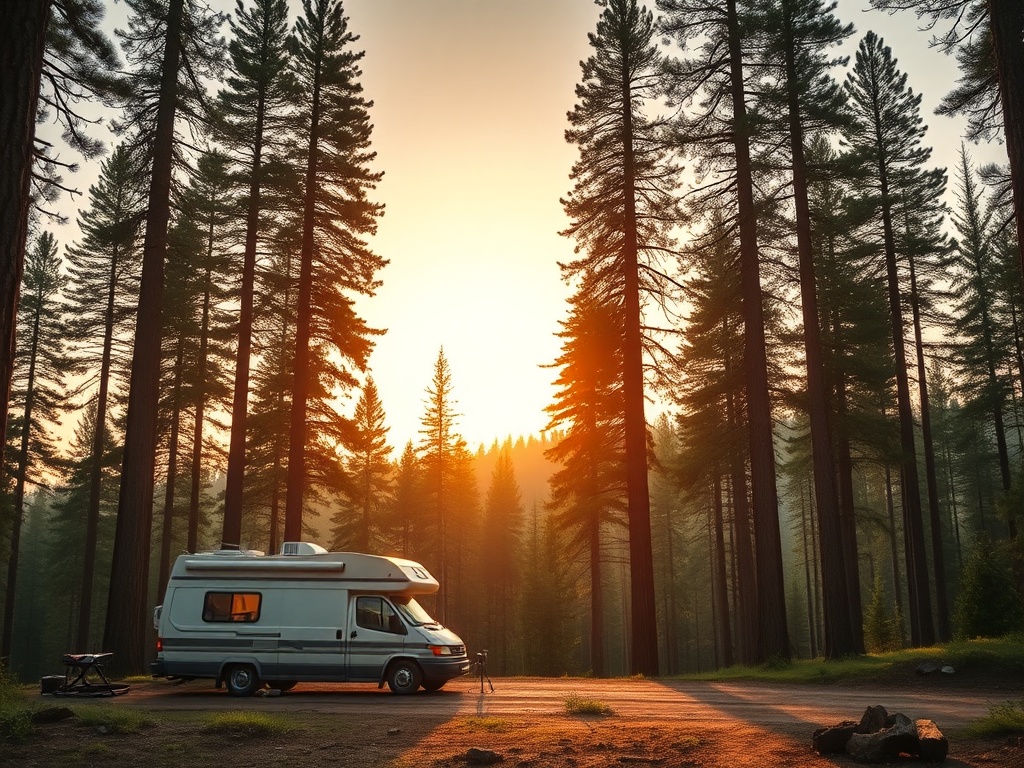
Dispersed camping is camping outside of designated campgrounds, usually on public land — National Forest or BLM. No hookups, no bathrooms, no reservations, no host.
Just you, your rig, and whatever you brought with you.
Here’s the thing: that freedom comes with responsibility. No one’s cleaning up after you. No one’s enforcing quiet hours except your neighbors. You are the system.
Where You Can (Legally) Do It
Not all public land is open to dispersed camping. This is where people mess up.
- National Forest land — usually the best bet
- BLM land — wide open, especially in the West
- Some state lands — varies a lot
Avoid guessing. Check ranger district maps or official websites. If there’s a gate, a sign, or a closure notice — respect it. Those rules exist because someone before you didn’t.
How I Actually Find Spots (After Years of Doing This)
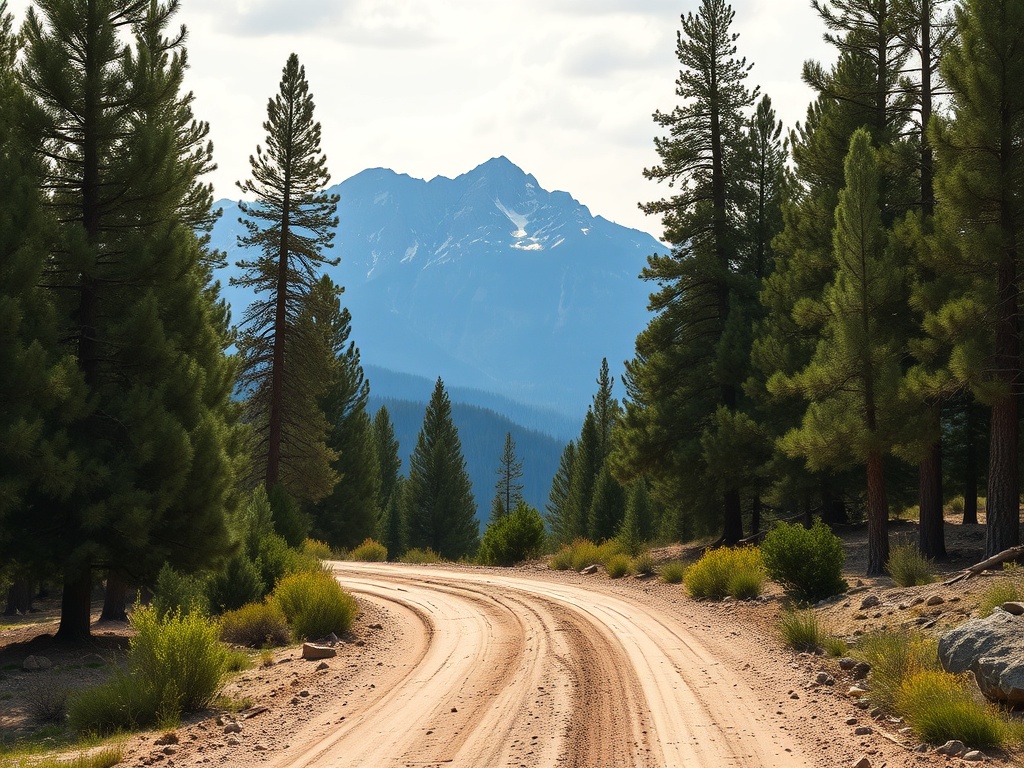
I don’t just drive and hope. That works maybe 10% of the time.
Here’s what I actually do:
- Start with a general area — National Forest or BLM region
- Look for forest service roads (FR roads)
- Check satellite view for clearings
- Read recent reports (conditions change)
- Have a backup plan — always
Pro tip: If you’re rolling in after dark without a plan, you’re already behind. I’ve done it. It’s stressful and you end up settling for something mediocre or sketchy.
What a Good Dispersed Site Looks Like
Not every pull-off is a good campsite.
After a couple hundred setups, here’s what I look for immediately:
- Flat ground — leveling a van at 10 PM is not fun
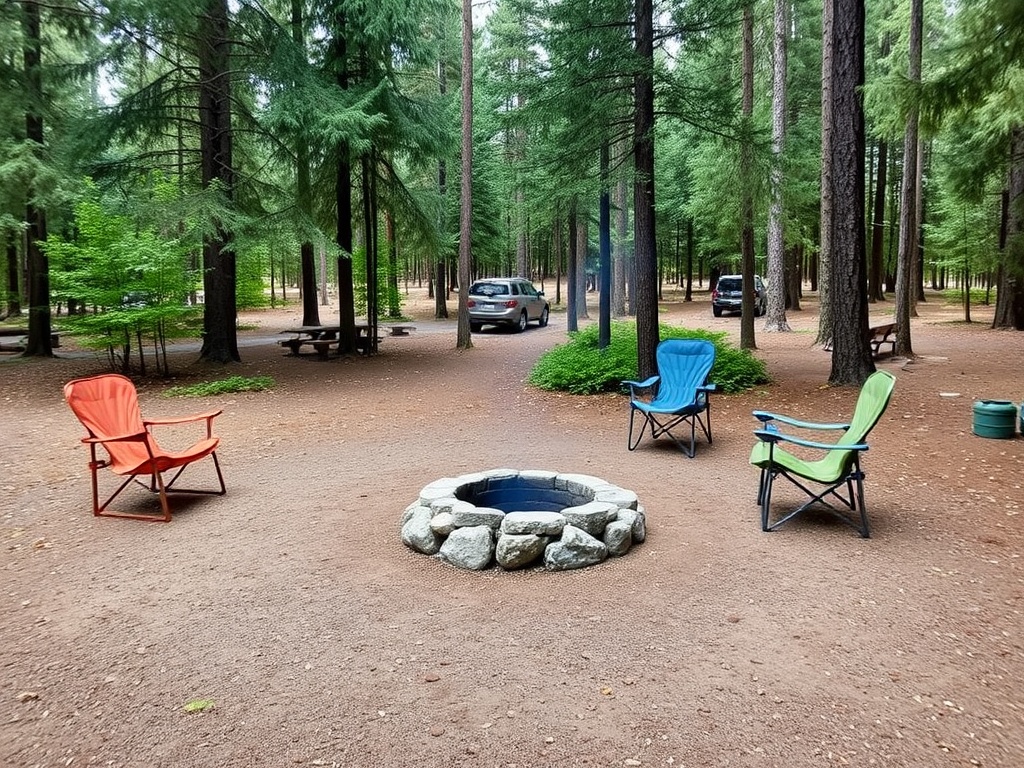
- Previously used site — fire ring, compacted area
- Wind protection — trees, terrain
- Drainage — avoid low spots (learned this the hard way)
- Turnaround space — especially for vans and trailers
If it looks untouched, leave it that way. Don’t create new sites. That’s how areas get shut down.
Gear That Actually Matters Out Here
You can get away with mediocre gear in a campground. Not out here.
When something fails, there’s no ranger station or camp store to bail you out.
- Water storage — minimum 3-5 days worth
- Power — solar or battery setup
- Lighting — reliable headlamp (not the cheap gas station one)
- Cooking — stove that works in wind
- Waste system — pack it out, always
Look, I’ve got a whole bin in my garage of gear that failed in the field. Dispersed camping is where bad gear gets exposed fast.
The Mistakes I See Over and Over
This is the part that matters.
- Camping too close to water — damages fragile ecosystems
- Leaving trash — instant way to get areas closed
- Ignoring stay limits (usually 14 days)
- Driving off established roads — destroys land
- Fire negligence — especially during bans
Leave No Trace isn’t optional out here. It’s the only thing keeping these places open.
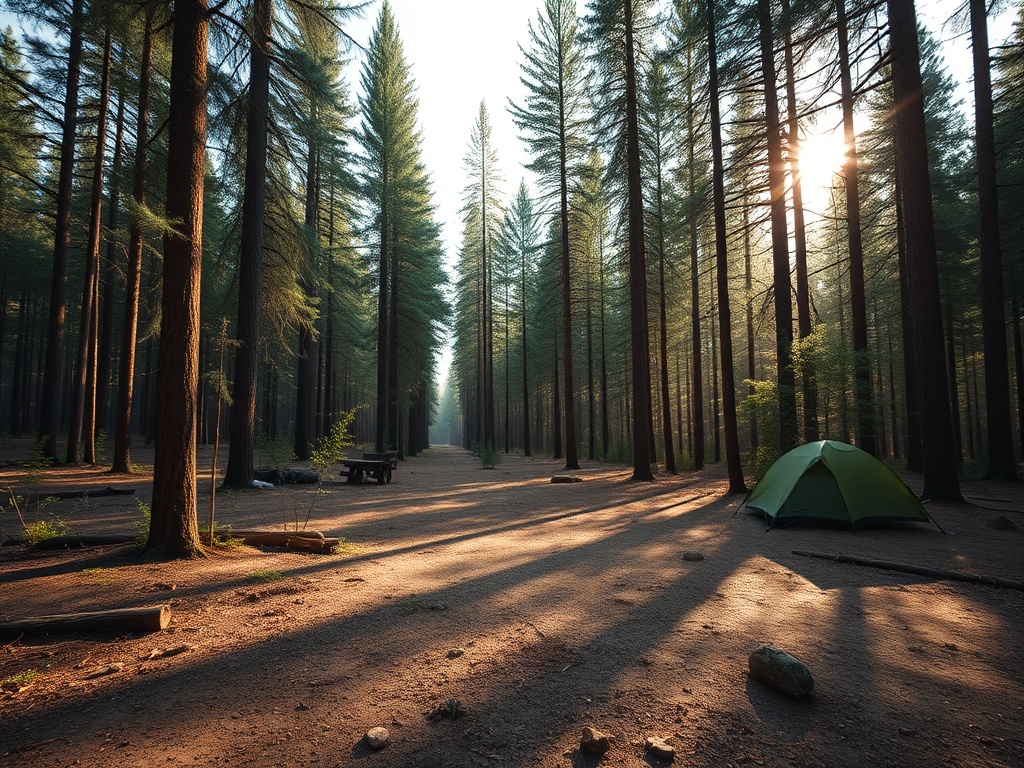
Safety: What People Don’t Think About
No cell service. No help nearby. That’s the reality.
You need to think differently:
- Tell someone where you’re going
- Carry extra water and food
- Know your vehicle limits — don’t get stuck 10 miles in
- Weather awareness — storms hit harder out here
I’ve been stuck in mud, snowed in overnight, and dealt with breakdowns miles from pavement. It’s part of the deal — just be ready for it.
The Real Payoff
Here’s why people keep coming back to this.
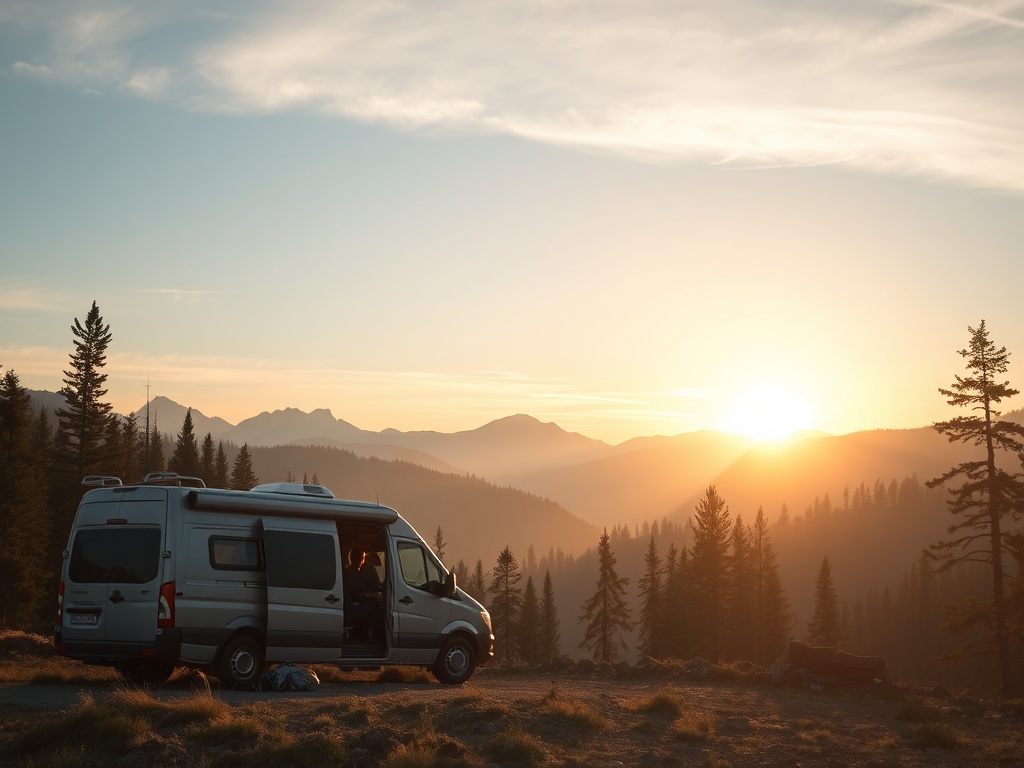
You wake up, step outside your rig, and there’s no one around. No generators. No campground noise. Just wind in the trees and maybe a view you didn’t have to share with 50 other sites.
I’ve had mornings in the desert, in the mountains, in forests where it feels like the place is yours. That’s why this matters.
Final Take
Dispersed camping isn’t complicated — but it does require respect.
If you treat it like a free campground, it’ll disappear. If you treat it like a privilege, it’ll still be there the next time you need to get away.
After 22 years, it’s still the best way I know to camp.
Do it right. See you out there.