Embracing Bio-Harmony: Sync Your Life with Your Circadian Rhythm
Ever feel like you’re running on a broken clock? I’ve been there—late-night snacking, groggy mornings, and that lingering sense something’s off. Turns out, my body’s internal timer was out of sync, and fixing it changed everything.
As spring rolls in, it’s the perfect moment to reset and align with nature’s own rhythm. Below, I share the hard‑won tricks I use on the trail and at home to bring bio‑harmony back into my life.
What Is Bio‑Harmony and Why Does It Matter?
Bio‑harmony is the art of syncing your daily habits with your body’s circadian rhythm—the 24‑hour cycle that governs sleep, hormone release, digestion, and even mood. When you live in harmony with this clock, you’ll notice better sleep, more steady energy, and a calmer mind—exactly what any seasoned camper knows: when the sun rises, you rise.
How Can I Align My Sleep With My Circadian Rhythm?
Sleep is the cornerstone of bio‑harmony. Here’s what works for me on a typical campsite and at home:
- Morning Light Exposure: As soon as the sun peeks over the ridge, I step outside for 10‑15 minutes of natural light. It resets the brain’s master clock. Even a quick gear check at sunrise feels rewarding.
- Consistent Bedtime: I aim for the same lights‑out window (10‑11 pm) regardless of weekday or weekend. The body loves predictability.
- Limit Blue Light After Dark: I swap my phone for a lantern and keep screens dim after sunset. If you need a light source, a low‑glow headlamp works fine.
What Dietary Adjustments Support My Internal Clock?
What you eat—and when—can reinforce or disrupt your rhythm.
- Eat Breakfast Like a Camper: Start the day with protein and healthy fats (think eggs or nut butter) to signal “daytime” to your metabolism.
- Time Your Biggest Meal Early: I aim to have my main meal by early afternoon. Heavy dinners late at night can shift melatonin production.
- Stay Hydrated, But Skip Caffeine After 2 pm: Caffeine spikes alertness, but it can linger for 6‑8 hours, delaying sleep.
How Should My Daily Activities Sync With Natural Light?
Movement isn’t just for the trail; it’s a cue for your clock.
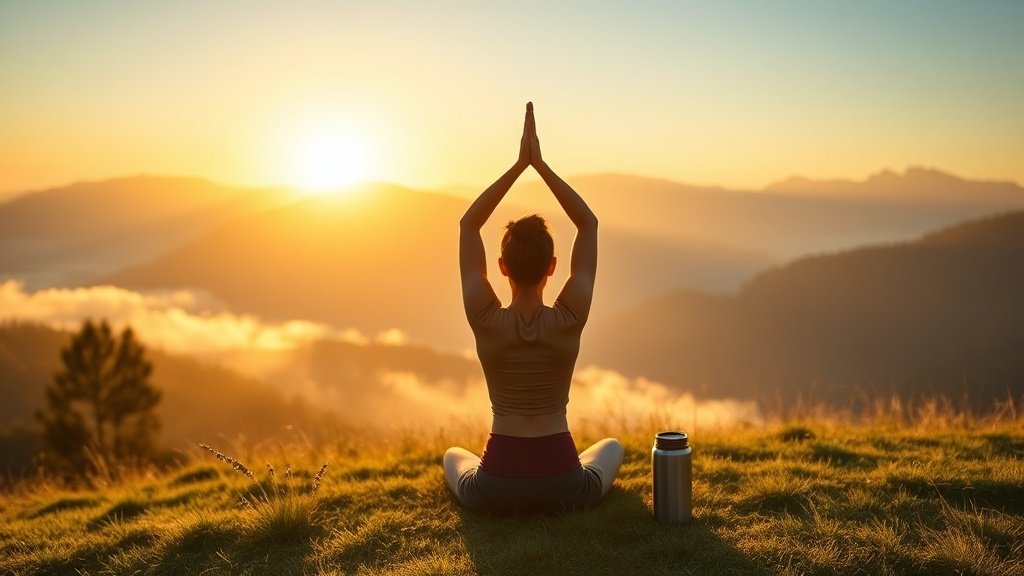
- Morning Movement: A quick yoga flow or stretch on a sunrise‑lit hill (like the scene in my featured image) wakes up muscles and mind.
- Mid‑Day Breaks: If you’re on the road, pause for a short walk in the sun. It breaks up sedentary time and reinforces daylight exposure.
- Evening Wind‑Down: Dim lights, read a physical book, or journal—activities that signal the day is ending.
What Simple Steps Can I Take Right Now?
Ready to try bio‑harmony? Start with these three easy actions tomorrow:
- Wake up 15 minutes earlier and soak up sunrise light.
- Swap your nighttime snack for a light protein‑rich option and cut caffeine after 2 pm.
- End the day with a 5‑minute stretch routine under a dim lantern.
Give it a week and notice the difference—more focus on the trail, steadier energy around the campfire, and fewer groggy mornings.
Takeaway
Bio‑harmony isn’t a fad; it’s a practical framework that lets you live like the natural world around you—whether you’re parked beside a lake or working from a kitchen table. Align your sleep, food, and movement with the sun, and you’ll feel the same confidence you get when a gear check passes on the first try.
Got a personal rhythm hack? I’d love to hear it in the comments!
References:
- Sleep Foundation – Circadian Rhythm
- Harvard Health – Understanding the Circadian Clock
- NIH – Circadian Rhythm Fact Sheet
- World Health Organization – Healthy Diet
Related Reading:
- Stop Upgrading Your Sleeping Bag (Upgrade Your Pad Instead) – why sleep surfaces matter more than the bag.
- Why “3‑Season” Gear Fails in Spring (And What Works) – gear choices that complement a bio‑harmonious routine.
- The 10‑Point Road‑Trip Departure Check I Swear By – a checklist for a smooth, rhythm‑aligned adventure.