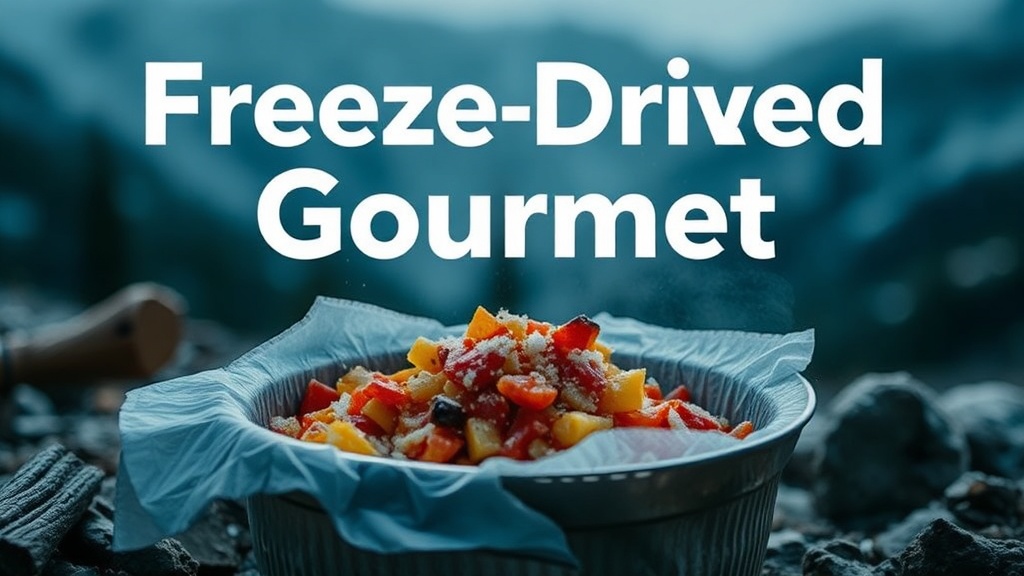
Freeze-Dried Gourmet: Elevating Your Backcountry Meals

The steam rises in a thick, fragrant cloud against the sharp, biting air of the High Sierras. A single spoonful of creamy, spiced coconut curry hits the tongue, providing a sudden, much-needed warmth that contrasts the frost beginning to form on the edge of the titanium mug. This isn't the bland, salty mush typically associated with backcountry rations; it is a rich, complex meal that feels entirely out of place in a wilderness setting, yet it is the very thing that sustains morale during a grueling three-day trek through Yosemite.
For many backpackers, freeze-dried meals are a necessary evil—a lightweight compromise made to save weight in the pack at the expense of flavor. However, with the right approach to selection, preparation, and "hacking," these meals can transition from mere survival rations to genuine culinary highlights. Whether you are navigating the damp trails of the Olympic Peninsula or the arid expanses of Joshua Tree, elevating your nutrition is about more than just calories; it is about the psychological boost that a high-quality meal provides after a long day of movement.
The Foundation: Selecting High-Quality Base Meals
The secret to a gourmet backcountry experience begins long before you strike a match. The quality of your base meal dictates the ceiling of how much you can actually improve it. When shopping, look beyond the weight and focus on the ingredient list. High-end brands like Peak Refuel or Stowaway often prioritize whole foods and higher protein counts compared to budget-friendly options.
When evaluating a meal, check for three specific indicators of quality:
- Protein Density: A meal should ideally offer at least 20-25 grams of protein to aid in muscle recovery. Look for meals featuring real chicken, beef, or lentils rather than just "meat flavor."
- Fat Content: In cold environments, fat is your best friend. Meals that include coconut milk, olive oil, or nut butters provide the long-burning fuel necessary for thermoregulation.
- Sodium Balance: While you need salt to replace electrolytes lost through sweat, avoid meals that rely solely on salt for flavor. A meal that tastes "one-dimensional" will be difficult to enhance later.
For those who prefer a more customizable approach, consider purchasing "deconstructed" freeze-dried ingredients. Buying a bag of Mountain House mashed potatoes or Backpacker's Pantry rice as a base allows you to control the seasoning and texture, providing a blank canvas for your culinary additions.
The Art of the "Add-In": Boosting Flavor and Texture
The most effective way to transform a standard freeze-dried pouch is to introduce fresh or shelf-stable elements that provide texture. Most freeze-dried meals suffer from a uniform, soft texture that can become monotonous. Adding "crunch" or "creaminess" changes the sensory experience entirely.
The Texture Upgrade
Carry a small, lightweight silicone container or a reusable zip-top bag filled with these texture-enhancing additives:
- Toasted Nuts and Seeds: Sliced almonds, pine nuts, or pumpkin seeds (pepitas) add a much-needed crunch to creamy stews or rice-based meals.
- Dehydrated Vegetables: While the freeze-drying process softens vegetables, adding a handful of dehydrated kale or sun-dried tomatoes can provide a structural contrast.
- Crispy Onions or Garlic: A sprinkle of fried shallots or garlic chips can transform a basic vegetarian meal into something reminiscent of a gourmet bowl.
The Flavor Injection
Flavor is often lost during the rehydration process. To combat this, carry a "flavor kit" consisting of small, single-use packets or a tiny dropper bottle. Instead of just salt, think about complex profiles:
- Acid: A squeeze of a lime wedge or a small packet of lemon juice can brighten a heavy, starch-heavy meal. If you are traveling via vehicle or car camping, a small bottle of high-quality balsamic vinegar or apple cider vinegar is a game-changer.
- Heat: Carry Sriracha packets, red pepper flakes, or even a small vial of chili oil. Heat not only enhances flavor but also helps stimulate circulation in cold weather.
- Umami: A sprinkle of nutritional yeast or a small amount of parmesan cheese (which lasts well in a dry environment) adds a savory depth that salt alone cannot achieve.
Advanced Rehydration Techniques
Most people follow the instructions on the back of the pouch: add water, wait ten minutes, and eat. This is a mistake. To achieve a gourmet consistency, you must treat the rehydration process with more intention. The goal is to ensure there are no "crunchy" bits of unhydrated starch or protein left in the bottom of the bag.
The Double-Hydration Method: Instead of adding all the water at once, add half of the required amount first. Stir vigorously and let it sit for three minutes. This allows the larger chunks of protein or vegetables to absorb the moisture. Then, add the remaining water and the rest of your seasonings. This two-step process ensures a much more even consistency.
Temperature Control: Water temperature is critical. If you are using a stove like a Jetboil or an MSR PocketRocket, ensure your water is at a rolling boil. Cold or lukewarm water will result in a gummy, unpleasant texture. If you are in a high-altitude environment, remember that water boils at a lower temperature; you may need to use even more heat to ensure the water is truly "boiling" to penetrate the freeze-dried cells effectively.
The "Bag-to-Bowl" Transition: While eating out of the pouch is efficient for weight, it often leads to uneven heat distribution. If your pack weight allows, transfer the rehydrating meal into a wide-mouth titanium or aluminum bowl. This allows you to stir the meal more effectively and prevents the "hot bottom, cold top" phenomenon common in deep pouches.
The Complete Meal Concept: Building a Menu
To truly elevate your backcountry dining, think in terms of "meal themes" rather than individual packets. This helps you plan your "add-in" kit more effectively. Here are three examples of how to build a gourmet meal from standard components:
- The Mediterranean Bowl: Start with a base of plain freeze-dried couscous or rice. Add a packet of olive oil, a handful of dried apricots (for sweetness), toasted pine nuts, and a generous sprinkle of feta cheese (which can be kept in a small, airtight container).
- The Spicy Coconut Curry: Use a high-quality coconut curry freeze-dried meal. Enhance it by adding a squeeze of fresh lime, a teaspoon of red curry paste, and a handful of crushed peanuts for texture.
- The Savory Breakfast Porridge: Move beyond the standard oatmeal. Use a plain freeze-dried porridge base and add almond butter, dried blueberries, and a dash of cinnamon. For a savory version, try a plain grits base with nutritional yeast and dehydrated scallions.
Remember that your morning ritual sets the tone for the day. Just as you might focus on perfecting your coffee brewing methods to start your trek, your breakfast should be a deliberate act of nourishment. A well-constructed breakfast provides the mental clarity and physical energy required for the miles ahead.
Logistics and Maintenance
Elevating your meals means carrying more than just the pouches. It requires organization to ensure your "add-ins" don't become a cluttered mess in your pack. Use lightweight, collapsible silicone containers for liquids and small, transparent reusable bags for dry spices and nuts. This allows you to see exactly what you have left without opening every single container.
When it comes to cleanup, remember that adding oils, spices, and extra ingredients makes the process more difficult. If you are using a single-pot system, ensure you have a way to clean it thoroughly. A small piece of a scrub pad or even a handful of sand (used carefully) can help remove the residue of a rich, creamy meal. Always be mindful of Leave No Trace principles; if you are using extra ingredients, ensure every scrap of packaging or organic waste is packed out and disposed of properly.
By treating your backcountry meals as a culinary opportunity rather than a chore, you transform the experience of the wilderness. You aren't just refueling; you are enjoying a moment of luxury in the middle of the wild, making the long miles feel a little shorter and the views a little more rewarding.