How to Stay Clean During Multi-Day Boondocking Trips Without Hookups

What happens when the nearest shower is 40 miles away?
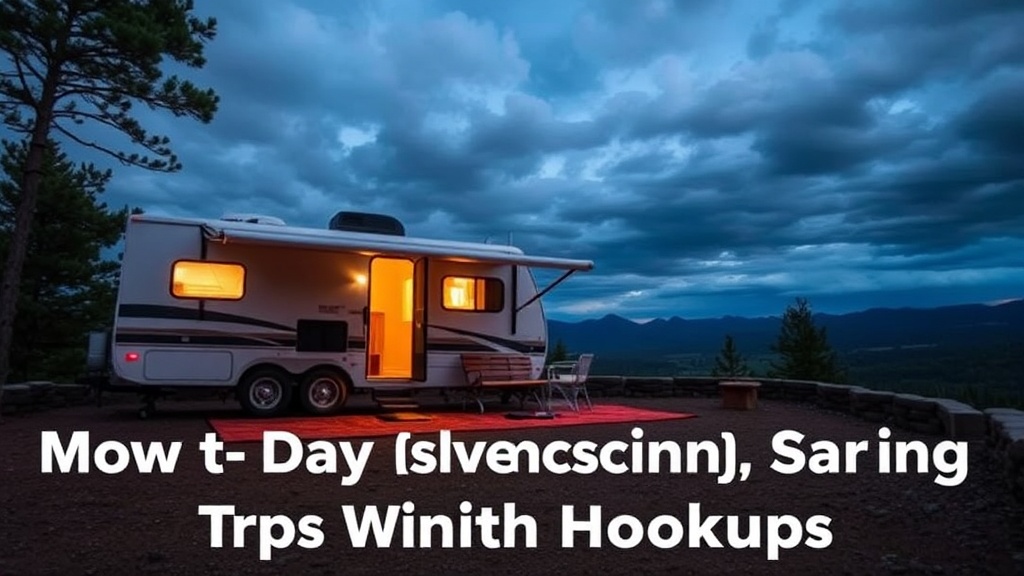
You're parked on a bluff overlooking a canyon, three days into a week-long boondocking stint. The sunsets have been spectacular, the coffee tastes better out here, and you've finally finished that book that's been sitting on your shelf for months. But there's a problem—you're starting to feel less like a capable outdoor enthusiast and more like something that crawled out of the brush. The nearest campground with facilities is an hour's drive, and you're rationing water like it's gold (because out here, it basically is).
This scenario plays out constantly on public lands. I've watched capable campers cut trips short simply because they couldn't figure out a workable hygiene routine. After 600+ nights off-grid across 22 years—living in everything from a '92 Chevy G20 to a 25-foot travel trailer—I've learned that staying clean without hookups isn't about fancy gadgets or complicated systems. It's about understanding what actually matters, ditching what doesn't, and building habits that work with your water budget rather than against it.
How do you wash effectively with minimal water?
The sink bath (or "pits and bits" wash, as my trail crew friends call it) is the backbone of off-grid hygiene. You don't need much—maybe a liter of water heated on your stove, a microfiber washcloth, and biodegradable soap. The key is sequence and technique.
Start with your face, neck, and hands. These areas collect the most grime and bacteria, and cleaning them provides the biggest psychological boost. Move to underarms last—they're the grimiest, and you don't want to spread that bacteria to cleaner areas. A Navy shower technique works here: wet the cloth, apply soap to your body, then wipe clean. Don't run water continuously—that's the rookie mistake that drains tanks.
For hair, dry shampoo is your friend, but don't overdo it. Product buildup feels worse than natural oil. I wash my hair every 5-7 days when boondocking using a basin method: heat water, lean over a container, wet hair, lather, rinse with fresh water collected in the basin. This uses about half a gallon versus the 3+ gallons of a traditional shower. On day three of a trip, a simple rinse with plain water often revives hair without soap.
With Earth Day approaching, consider how your soap choices affect the land you're camping on. Even "biodegradable" soaps need soil to break down properly—never wash directly in streams or lakes. Carry water 200 feet from water sources, use small amounts of soap, and scatter your grey water rather than dumping it in one spot. This keeps local ecosystems healthy and ensures these dispersed camping areas stay open for everyone.
What gear actually makes a difference?
You don't need much, but the right tools prevent hygiene from becoming a daily struggle. Here's what earns space in my van:
- Pressurized sprayer (2-3 gallon): A pump sprayer from the garden section works perfectly. Add warm water for an instant shower—aim for 1-2 gallons per person.
- Microfiber towels: They dry fast, pack small, and actually absorb water instead of pushing it around.
- Biodegradable soap: Dr. Bronner's castile soap handles body, dishes, and laundry. One bottle, multiple uses.
- Portable shower tent: Privacy matters. A simple pop-up tent with a floor keeps you clean while you get clean.
- Wet wipes (unscented): For those nights when even heating water feels like too much work.
Skip the expensive "camp shower" bags that hang from trees—they're slow to heat, hard to control, and prone to leaks. The pump sprayer costs half as much and works twice as well. Also avoid disposable body wipes as your primary cleaning method; they create trash and most contain chemicals you don't want on your skin daily.
How do you manage laundry without facilities?
After a week of hiking, sitting in camp chairs, and cooking over open flames, your clothes tell the story—and not pleasantly. Hand-washing isn't complicated, but most people use too much soap and not enough agitation.
Fill a collapsible bucket with water and a tiny amount of biodegradable soap. Let clothes soak for 20 minutes, then agitate vigorously by hand for two minutes. Wring out, refill with clean water, and rinse until the water runs clear. Wring thoroughly—wet clothes take forever to dry and develop musty smells.
Drying is the real challenge. A clothesline strung between your van and a tree works in dry climates. In humid areas, hang items inside near a vent or window. Merino wool and synthetic fabrics dry overnight; cotton takes days and isn't worth packing for extended trips. I rotate three outfits when boondocking: one clean set for camp, one for hiking, and one being washed. It's enough—you don't need a fresh outfit daily.
How do you handle the bathroom question?
Let's address the topic everyone thinks about but few discuss. On public lands without facilities, you need a system that works legally, hygienically, and respectfully.
For liquid waste, a simple bucket with a tight-fitting lid and absorbent material (pine shavings, peat moss, or coconut coir) works for short trips. Line it with compostable bags for easier cleanup. Solid waste requires more planning—bury it 6-8 inches deep at least 200 feet from water, trails, and camp. Carry a trowel dedicated to this purpose, and pack out toilet paper in sealed bags. Never burn it—forest fires start easily, and it rarely burns completely.
Portable composting toilets have changed the game for serious boondockers. They separate liquid and solid waste, eliminate odor when maintained properly, and extend your time off-grid significantly. The upfront cost ($200-400) seems steep until you calculate how many campground fees you'll save by staying on free public lands. Models like the Separett and Nature's Head have proven track records with van lifers and trailer dwellers.
Hand hygiene matters more than full-body cleanliness. Pack hand sanitizer, but don't rely on it exclusively—soap and water remove dirt and germs that sanitizer misses. Set up a simple hand-washing station: a jug with a spigot, soap in a pump bottle, and a small towel. Use it before cooking, after bathroom breaks, and before handling your face. This single habit prevents more illness than any other hygiene practice.
After two decades of figuring this out through trial and error, I can tell you that staying clean off-grid becomes second nature. You develop routines, learn what your body actually needs versus what marketing says you need, and discover that a week without a traditional shower won't kill you. The trade-off—waking up to sunrise over untouched desert, falling asleep to actual darkness filled with stars—is worth learning a few new habits. Start with a weekend trip, test your system, and adjust. By your third outing, you'll have a routine that keeps you comfortable without sacrificing the freedom that drew you to dispersed camping in the first place.