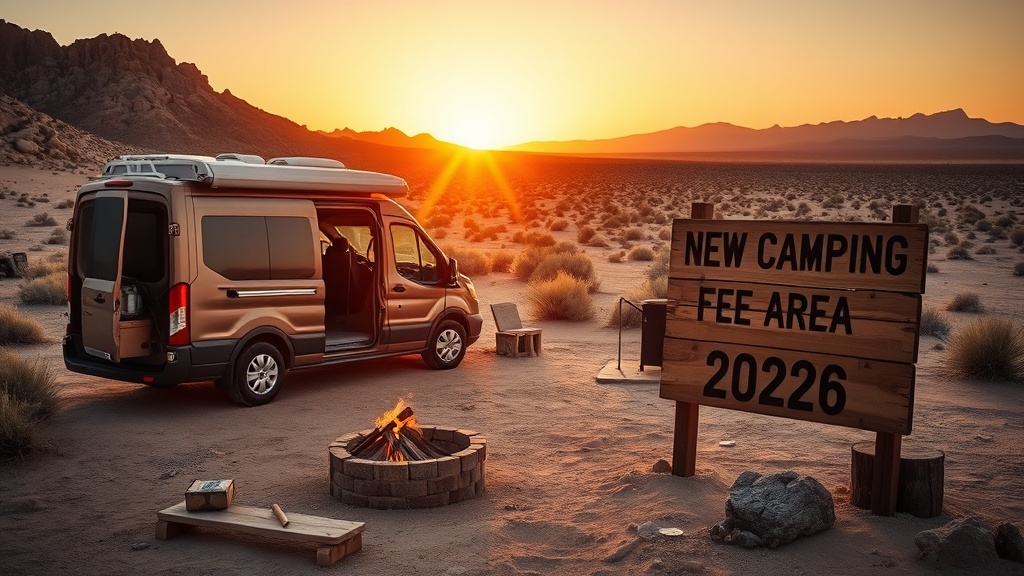
New BLM Camping Fees in 2026: What Van Lifers Need to Know
Why am I writing about BLM fees now?
Because the 2026 BLM recreation fee rollout is the first major fee change on federal public lands in a decade, and it lands right in the middle of the peak spring‑to‑summer camping window. If you’re planning a road‑trip or a long‑term van stay, those new dollars can bite into your budget faster than a flat tire.
What exactly is changing?
The Bureau of Land Management announced new fee‑area designations for several desert campgrounds in Idaho, Nevada, and Utah. The fees start September 11, 2026 and range from $5‑$15 per night depending on the site’s amenities. Here’s the quick rundown:
- Silver Creek (Idaho) – $5/night, $30 for a 7‑day stay.
- Wilson Lake (Idaho) – $8/night, $45 for a 7‑day stay.
- East Magic Boat Ramp (Nevada) – $10/night, $60 for a 7‑day stay.
- Other upgraded sites – $12‑$15/night, with weekly caps.
These fees replace the “free‑to‑camp” model that most of us grew up with, but they also fund improved sanitation, fire‑safety infrastructure, and better trail maintenance.
How will the fees affect my van‑life budget?
Let’s do the math. If you average 10 nights per month on BLM land (a typical “full‑time” van‑life schedule), you could be looking at an extra $50‑$150 per month in fees. That’s the cost of a decent portable power bank or a few extra meals.
But there’s a silver lining: the BLM is still keeping the 14‑day‑within‑any‑28‑day rule and the 25‑mile move requirement. You can mix fee‑area stays with free dispersed sites to keep the extra expense down.
Practical ways to stay legal and keep costs low
Here are the tactics I’ve used for years, now tweaked for the 2026 fee landscape.
1. Combine fee‑area nights with free dispersed camping
Plan a “fee‑area block” of 3‑4 nights near a water source, then move 25 miles away for a free dispersed night. Over a month you’ll still get the convenience of a campground without paying every night.
2. Book weekly passes when you can
Most new fee sites cap weekly costs (e.g., $30 at Silver Creek). If you know you’ll be in the area for a week, pay the weekly rate up front – it’s cheaper than paying nightly.
3. Use a fuel‑efficient stove and a lightweight camp chair to keep your pack weight low, which translates into lower fuel consumption on the road.
4. Track your mileage with a simple spreadsheet
Because the 25‑mile move rule still applies, a quick Google Sheet that logs dates, sites, and distances helps you stay compliant without a headache.
5. Keep an eye on BLM updates
The fee rollout is phased. New sites may be added, and some existing fee areas could be removed. Subscribe to the BLM camping newsletter or follow the BLM Twitter account for real‑time alerts.
What to pack for fee‑area camping
Fee‑area campgrounds usually have a few amenities: a picnic table, a fire ring, and sometimes a dump station. Here’s a minimal packing list that lets you enjoy those perks without over‑packing.
- Portable solar shower – you already have the know‑how from my Solar Shower guide.
- Compact fire starter kit – a small, wind‑proof lighter and some tinder sticks.
- Reusable water containers – 2‑3 L each, filled up at the nearest water source.
- Lightweight sleeping pad – remember my post on why the pad matters more than the bag.
- Low‑profile solar panel – enough to keep your phone and small LED lights running.
Should you avoid fee‑area camps altogether?
Only if the extra cost pushes you past your monthly budget ceiling. In that case, dispersed camping remains a viable (and often more adventurous) alternative. The key is to stay flexible and keep an eye on your mileage tracker.
Bottom line
The 2026 BLM fee rollout is a reality, but it doesn’t have to kill your van‑life dreams. By mixing fee‑area nights with free dispersed spots, booking weekly passes, and staying organized, you can keep your adventure budget under control while still enjoying the improved facilities.
Related Reading
- The 2026 Dispersed Camping Trip Plan I Actually Use – How to stay legal on public lands without paying fees.
- Why Your Sleeping Pad Matters More Than Your Sleeping Bag – Comfort tips for desert nights.
- Spring Gear Check: The 4 Things You Need to Do This Weekend – Make sure your gear is ready for fee‑area camping.