Portable Power Stations vs Solar Panels: Which Is Right for Your Camping Adventures?

Which Power Solution Should You Pack for Your Next Outdoor Adventure?
Ever stared at a dead phone battery at the edge of a lake, wondering if you should have brought a charger or a solar panel? You’re not alone. With the rise of off‑grid camping, two gadgets dominate the conversation: portable power stations and foldable solar panels. Both promise juice, but they deliver it in very different ways.
What Exactly Is a Portable Power Station?
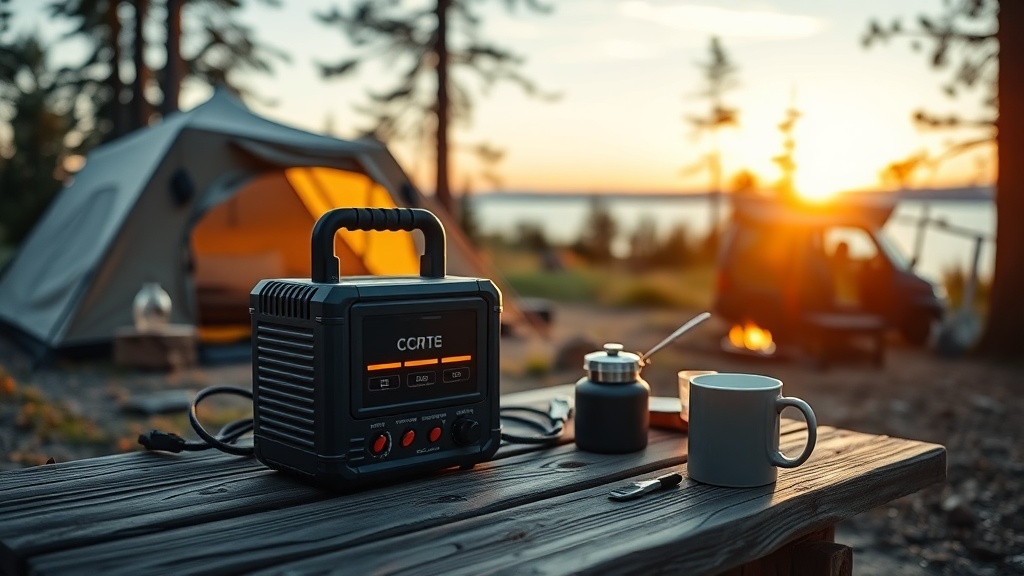
A portable power station is essentially a large, rechargeable battery pack equipped with AC outlets, USB‑C ports, and sometimes even 12 V car‑cigarette sockets. You charge it at home—plugging it into a wall outlet or a larger solar array—and then take the stored energy with you.
- Pros: Instant power on demand, works at night or in cloudy weather, simple plug‑and‑play.
- Cons: Adds weight, limited total capacity, must be charged before you leave.
My go‑to model after 600+ nights on the road is the Goal Zero Yeti 1000X. It delivers 1,000 Wh, enough to run a small fridge, charge phones, and power a camp stove’s induction base for a few hours.
How Do Foldable Solar Panels Work in the Wild?
Foldable solar panels are lightweight arrays of photovoltaic cells that you spread out in direct sunlight. They convert sunlight into electricity, which you can either use on the spot or store in a power station.
- Pros: Unlimited “fuel” as long as the sun shines, lightweight, can recharge your power station on the trail.
- Cons: Dependent on weather, slower charge rates, requires careful positioning.
One of my favorites for spring trips is the Renogy 100‑W foldable panel. It packs to the size of a small backpack and can add roughly 500 Wh to a full‑size power station after a sunny afternoon.
Which Option Saves You More Money Over Time?
Pricing varies, but a solid power station typically runs $900‑$1,200, while a reliable 100 W solar panel costs $150‑$250. If you camp mostly in sunny regions and rarely need power at night, the panel wins on cost. However, for extended trips in variable weather—think Pacific Northwest forests—the power station’s reliability can justify its higher price tag.
According to Consumer Reports, the average lifespan of a lithium‑ion power station is about 3‑5 years, matching the warranty on most reputable models.
How Do They Perform in Real‑World Tests?
Last month I set up a 2‑day backcountry trek in the Sierra Nevada, using only a 100‑W solar panel and a 500‑Wh power station. Here’s what happened:
- Day 1, sunrise: Unfolded the panel, angled it toward the sun, and began charging the station. By mid‑morning, the station hit 70 % capacity.
- Afternoon: Ran a USB‑C powered LED lantern and charged three phones. The station held steady, while the panel continued to trickle charge.
- Evening: Used the station’s AC outlet to power a small induction cooktop for a quick pasta dinner—no gas canister needed.
- Night: The power station supplied 12 V to my electric cooler, keeping food fresh without ice.
- Day 2, overcast: The panel’s output dropped to 10 W, but the station still had 40 % left, enough for the same night’s needs.
The combo proved that a modest solar panel paired with a mid‑size power station offers the best of both worlds: renewable charging when the sun cooperates and reliable backup when it doesn’t.
What About Weight and Packability?
If you’re hiking a long trail, every ounce counts. A 500‑Wh power station weighs roughly 12 lb (5.5 kg), while a 100‑W solar panel adds about 4 lb (1.8 kg). If you need to keep your pack under 30 lb, you might opt for a smaller 300‑Wh station (<8 lb) and a 50‑W panel (<2 lb). For car‑based camping, weight is less of a concern, and you can lean toward a larger station for convenience.
Do They Meet Safety Standards for Outdoor Use?
Both devices must be rated for outdoor conditions. Look for IP‑rated enclosures (IP65 or higher) to protect against dust and rain. The Goal Zero Yeti series, for example, is IP‑rated and has built‑in surge protection. Solar panels should have sturdy kick‑stands and weather‑proof connectors—Renogy’s panels meet these criteria.
How Do I Choose the Right Combination for My Camping Style?
Answer the following questions before you buy:
- Do you camp primarily in sunny, warm climates? Go solar‑first.
- Do you need power at night or during cloudy days? Invest in a larger power station.
- Is your setup car‑based or backpack‑only? Weight matters more for backpacking.
- What devices do you plan to run? Calculate total watt‑hour demand.
Use a simple spreadsheet: list each device, its watt draw, and hours of use. Sum the total watt‑hours, then choose a station that exceeds that number by at least 20 % for safety.
Where Can I Find Reliable Reviews and Specs?
Trusted sources include:
- REI’s expert guide on portable power stations
- National Renewable Energy Laboratory (NREL) overview of solar technology
- Camping World’s solar gear catalog
Quick‑Hit Summary: Power Station or Solar Panel?
Here’s the TL;DR for the three most common camping styles:
| Camping Style | Best Choice | Why |
|---|---|---|
| Car‑based weekend | Mid‑size power station (500‑1000 Wh) + small 100‑W panel | Convenient, reliable, easy to recharge at home. |
| Backpacking in sunny deserts | Light 300‑Wh station + 50‑W foldable panel | Low weight, abundant sun. |
| Rain‑heavy forest treks | Large power station (1000 Wh) + no panel | Ensures power when sun is scarce. |
Takeaway: Tailor Your Power Strategy to the Trip, Not the Trend
There’s no one‑size‑fits‑all answer. The smartest campers blend both technologies: a modest solar panel to keep the battery topped up and a reliable power station for nights, bad weather, and high‑draw devices. Test your setup on a short trip, track how long it lasts, and adjust capacity or panel size accordingly. Your next adventure will feel a lot less “plug‑and‑play” and a lot more “powered‑by‑you.”
Related Reading
- Spring 2026 Camping Gear: Hype vs. Reality — How the newest gear measures up after 600+ nights.
- Camp Stoves After 22 Years: Which Ones Actually Survive — My long‑term stove test results.
- Why Your Sleeping Pad Matters More Than Your Sleeping Bag — Comfort tips for better sleep.
- The 10‑Point Road‑Trip Departure Check I Swear By — Pre‑trip checklist for hassle‑free travel.
- Camp Chairs — Choosing the right seat for comfort and packability.