Stop Letting Your Campsite Become a Laundry Nightmare

Imagine walking into your van or travel trailer after a long day of hiking, only to find a mountain of damp, smelling socks and a pile of dirt-caked leggings taking up half your living space. It’s a mess that quickly turns from a minor nuisance into a full-blown morale killer. This guide breaks down how to manage laundry while road tripping or camping so you can keep your small space functional and your gear in good shape.
Managing laundry on the road isn't just about cleanliness; it's about space management. When you live out of a vehicle or a tent, every square inch matters. If you don't have a system, your clothes end up in a heap on the floor, attracting moisture and odors. We'll look at how to wash, dry, and store your gear without needing a laundromat every two days.
How Do You Do Laundry While Camping?
You can do laundry while camping by using a combination of sink washing, specialized travel gear, and local amenities like laundromats or campground facilities. Depending on your setup, you might rely on a simple basin or a high-tech way to clean your gear on the go.
For those staying in established campgrounds, many offer laundry facilities with coin-operated machines. These are great for heavy items like denim or towels. However, if you are dispersed camping or living in a van, you'll need a more mobile approach. I've found that a simple washbasin and a small bottle of biodegradable soap can work wonders for a single pair of socks or a base layer.
Here are the three most common methods I see used in the field:
- The Sink Method: Use a collapsible silicone sink or even your camp basin to soak clothes in warm water and a tiny bit of soap. This is perfect for small items like underwear or hiking socks.
- The Packable Laundry Bag: Use a dedicated bag to keep dirty clothes separate from clean ones. This prevents the "smell bleed" where your clean shirt starts smelling like your muddy boots.
- The Laundromat Run: Every few days, find a local town and hit a laundromat. It's a great excuse to stretch your legs and grab a coffee.
If you're worried about your gear getting ruined by improper washing, remember that technical fabrics like those found in a Patagonia jacket require much gentler care than a cotton t-shirt. Never use fabric softener on moisture-wicking gear—it actually clogs the pores of the fabric and kills its ability to breathe.
What Is the Best Way to Dry Clothes Outdoors?
The best way to dry clothes outdoors is to use a combination of high-airflow areas, natural sunlight, and specialized drying gear. Airflow is your best friend when you don't have a machine to help you out.
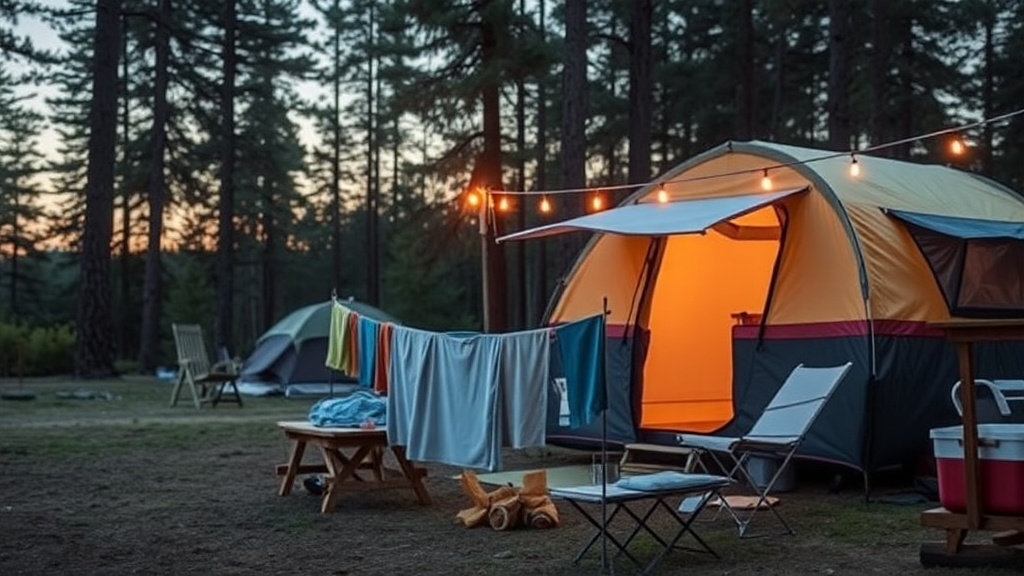
I’ve learned the hard way that hanging wet clothes inside a tent or a van is a recipe for a damp, musty interior. You'll end up with a humidity problem that can lead to mold. Instead, try to find a way to get them outside. If you're at a campsite, a simple retractable clothesline tied between two trees is a lifesaver.
Pro-tips for outdoor drying:
- Find the breeze: Hang your clothes in an area with consistent airflow. A stagnant corner will never dry your clothes.
- Use the sun: UV rays help kill bacteria, but be careful with bright colors. A direct sun soak can fade your favorite hiking shirt over time.
- The Towel Roll: If you're washing things in a sink, lay the wet garment on a dry towel, roll it up tightly, and step on it. This squeezes out the excess water so the air-drying process is much faster.
If you're dealing with extreme weather, you might need to rely on a portable camping heater or even the warmth of your vehicle's heater. Just don't hang things directly against a heat source—I've seen too many people accidentally melt a synthetic base layer against a heater vent.
How Can You Organize Laundry in a Small Van or Tent?
The most effective way to organize laundry in a small space is to use a tiered system of dedicated "dirty" and "clean" containers. This prevents your living area from becoming a chaotic pile of fabric.
In a van or a small tent, organization isn't just a suggestion—it's a necessity. One stray sock can end up under your sleeping pad, and suddenly you're hunting for it for twenty minutes. I highly recommend using different types of bags for different stages of "cleanliness."
| Storage Type | Best Use Case | Recommended Item Type |
|---|---|---|
| Dry Bag | Wet or very dirty gear | Muddy boots, wet swimwear |
| Mesh Laundry Bag | Smelly, breathable items | Used socks, gym clothes |
| Plastic Bin | Clean, folded clothes | Daily wear, base layers |
Using a mesh bag for your "smelly" stuff is a game-changer. It allows air to circulate so the clothes don't stay damp, but it keeps the scent contained. It's much better than just tossing them in a corner. If you're living in a vehicle, a small, stackable plastic bin is often more efficient than a soft duffel bag because it maintains its shape and keeps your clothes from getting crushed.
Don't forget the footwear. I always keep my muddy hiking boots in a dedicated, waterproof bin or a heavy-duty dry bag. This keeps the dirt from spreading to your sleeping area. If you've had a particularly messy day on the trails, you might want to check out my tips on avoiding common camping mistakes to see how gear maintenance fits into a long-term outdoor lifestyle.
One thing to watch out for: moisture. If you're storing clothes in a tight space, make sure they are 100% dry before you pack them away. Even a tiny bit of dampness can lead to a way-too-strong odor in your storage bins. If you're traveling in a high-humidity area, you might even consider adding a few silica gel packets to your storage bins to absorb excess moisture.
The goal isn't to have perfectly clean clothes every single day. It's about having a system that keeps your living space manageable and your gear in top condition. Whether you're washing a single pair of socks in a camp sink or hitting a laundromat in a small town, a little bit of planning goes a long way.