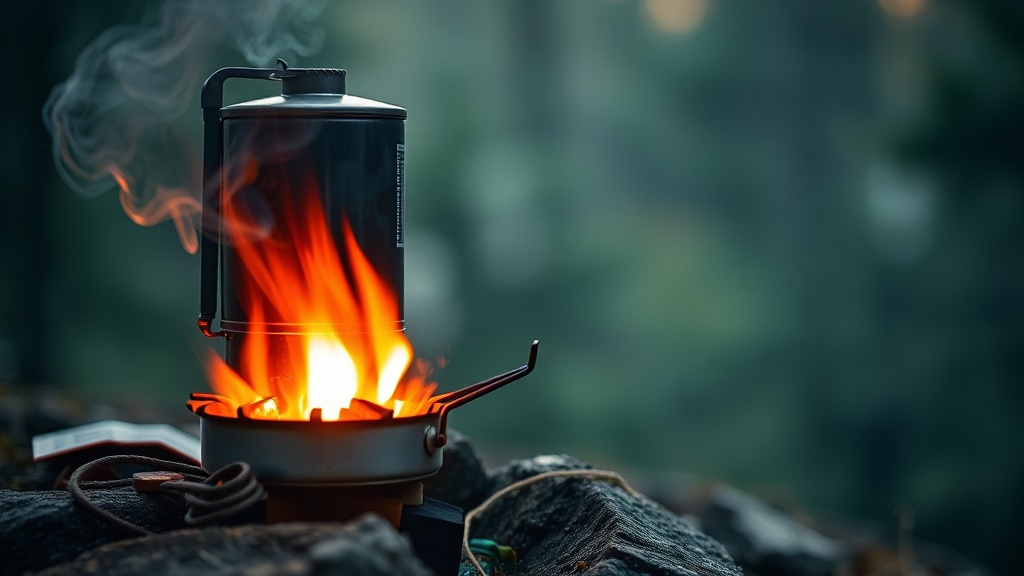
Stop Wasting Fuel on Your Camp Stove
Most campers believe that a high flame means faster cooking, but that's actually a recipe for wasted fuel and mediocre meals. This post breaks down the physics of heat transfer, the mechanical reasons your stove might be underperforming, and the specific habits that drain your propane or butane canisters faster than necessary. If you've ever felt frustrated by a slow boil or a stove that just won't stay lit in the wind, these adjustments will save you both money and time.
The biggest mistake I see isn't the gear itself—it's how we use it. We tend to treat camp stoves like kitchen ranges, forgetting that we're working with much smaller, more volatile fuel sources. When you're living out of a van or a travel trailer, every ounce of fuel counts toward your weight limit and your budget.
How Can I Make My Camp Stove More Efficient?
You make your camp stove more efficient by controlling the environment around the flame and maximizing heat transfer to your cookware. It isn't just about turning the knob to "high"; it's about managing the physics of the cook.
First, you have to deal with the wind. A single gust can strip the heat away from your pot before it even touches the metal. I never cook without a dedicated windscreen, even if I'm just making coffee. If you aren't using a specialized windscreen, even a simple rock or a piece of folded aluminum foil can make a massive difference. A wind-blown flame can waste up to 50% of its energy into the air instead of your food.
Second, check your burner's performance. If you're using a Coleman stove or a high-end MSR unit, the flame pattern matters. A "lazy" yellow flame is a red flag—it means your fuel-to-oxygen ratio is off, and you're burning through gas without getting much heat. A clean, blue flame is the goal. If your flame looks orange or yellow, your stove is starving for air or the nozzle is partially clogged with debris. This is a common issue when transitioning from propane storage to a portable burner.
The third rule is simple: use lids. It sounds obvious, but in the middle of a road trip, we often forget that a lid is the most effective tool in our kit. A lid traps the steam and heat, creating a pressurized environment that cooks much faster. Without a lid, you're essentially heating the entire campsite instead of just your oatmeal.
The Role of Cookware Material
The material of your pots and pans dictates how much heat you actually capture. Aluminum is a great conductor, but it can be thin. Stainless steel is durable, but it's a slower heat conductor. If you're trying to save fuel, look for heavy-duty copper or high-quality hard-anodized aluminum. These materials hold heat more effectively and distribute it evenly, preventing those annoying "hot spots" that burn your food.
Here is a quick breakdown of how different materials handle heat:
| Material | Heat Conductivity | Durability | Best For |
|---|---|---|---|
| Aluminum | High | Moderate | Quick boiling/Lightweight hiking |
| Stainless Steel | Low/Medium | Very High | General camp cooking |
| Cast Iron | Very Low | Extreme | Searing meat/Long-term heat retention |
| Titanium | Medium | High | Ultra-lightweight backpacking |
Is It Better to Use Propane or Butane?
Propane is generally better for colder temperatures and high-altitude cooking, while butane is more affordable and easier to find for lightweight, warmer-weather trips. The choice depends entirely on your climate and the specific stove you own.
Propane (often used in those classic green Coleman canisters) has a higher energy density and performs much better when the temperature drops. If you're camping in the mountains or during a chilly autumn road trip, butane will struggle. Butane is notorious for losing pressure when it gets cold, which is why your stove might "die" even if the canister isn't empty. This is a common frustration for people who don't realize that temperature affects gas pressure.
If you're doing dispersed camping in more temperate zones, butane is a lighter and cheaper option. But if you're planning a trip to a higher elevation or a colder region, stick with propane. It's more reliable and keeps the heat consistent regardless of the dip in temperature.
I've seen so many people get stuck with a stove that won't light because they didn't account for the ambient temperature. It's a hard lesson to learn when you're hungry and it's 40 degrees out. If you find your stove struggling, you can sometimes "warm" the canister by keeping it in a pocket or near your body—but never use a flame or a heater to do this, as that is incredibly dangerous.
What Are the Most Common Mistakes When Using a Camp Stove?
The most common mistakes involve improper flame adjustment, ignoring wind, and using the wrong sized cookware for the burner.
I've spent a lot of time watching people struggle with their gear in the field. It’s often the small things that lead to a bad experience. Here are the top mistakes I see:
- Overheating the flame: People often turn the stove to max and leave it there. This doesn't cook the food faster; it just burns the bottom and wastes fuel.
- Using oversized pots: If your pot is significantly wider than the burner, much of the heat escapes around the sides. You're essentially heating the air.
- Ignoring the wind: Even a light breeze can ruin your efficiency. Always use a windscreen.
- Neglecting maintenance: Not cleaning the burner head leads to uneven flame distribution and wasted energy.
- Not prepping ahead: If you start the stove and then realize you forgot to chop the onions, you've just wasted three minutes of fuel.
I remember a trip where I spent way too much time trying to boil water because I was using a narrow, deep pot on a burner that was way too wide. I was essentially heating the air around the pot rather than the water inside. It was a frustrating twenty minutes that could have been five. I learned the hard way that the diameter of your pot should match the diameter of your flame as closely as possible.
If you're finding that your gear is failing you or you're running out of power unexpectedly, you might also want to check why your camp battery dies, as many modern high-end stoves actually rely on electrical igniters that can drain small batteries if not managed correctly.
One thing to keep in mind is the "pre-heating" myth. You don't need to pre-heat your pan for a long time on a camp stove. Because the heat source is much more concentrated and less stable than a kitchen stove, you can usually get a pan up to temperature in a minute or two. If you try to "pre-heat" like you would at home, you're just burning through your precious fuel supply.
When you're out on the road, your efficiency determines how much weight you can carry. If you can cook faster and with less fuel, you can carry less fuel. That means more room for food, more room for water, and a lighter load for your vehicle. It's a cycle of efficiency that pays off every time you pack your gear.
The next time you're prepping a meal, look at your setup. Is your pot centered? Is your wind blocked? Is your flame blue? These tiny details are the difference between a quick, hot meal and a frustrating, expensive mistake.