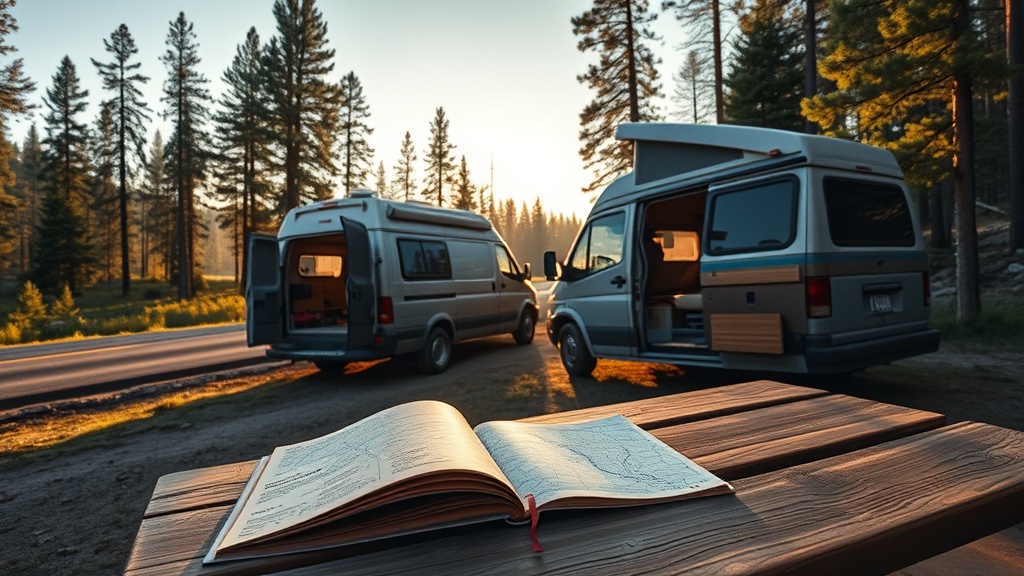
The 2026 Dispersed Camping Trip Plan I Actually Use: Legal First, Comfort Second

The 2026 Dispersed Camping Trip Plan I Actually Use: Legal First, Comfort Second
March 13, 2026 is a strange place to make plans from, and I know why: everyone is trying to book the same campgrounds months ahead, and the public-land rules feel like a moving target. After 22 years of van travel and too many almost-too-cold nights, the way I keep this from becoming a mess is simple: I plan legal sites like I plan fuel.
Look, I’m still all about flexibility, but not the fake kind. Real flexibility is knowing where you can stay, how long you can stay, and what you must move for. If you ignore that, you’re just borrowing a map and waiting for a citation.
I call this my Legal + Logistics 72-Hour Plan. It’s not glamorous, and it saves your trip.
What changed this season: what I assume, what I verify
I build every trip on three assumptions:
- Most BLM dispersed areas still allow camping by default, but limits vary by state and field office.
- Stay limits can be stricter in specific forests, parks, or local closures.
- Fire rules are the one thing that changes fastest in California and the Southwest.
I verify all three before loading the van.
First verification: BLM stays and move distance
The BLM landing page is still clear on one thing: dispersed stays are generally capped at 14 days within 28 days in many places, and you may need to move around 25–30 miles after that.
That one line changed my setup. I used to think in nights. Now I think in blocks:
- Block 1 (nights 1–14): get comfortable, map an exit route.
- Block 2 (nights 15+): pre-select the next region before you camp out.
I don’t treat this like legal theater. I treat it like planning. If I’m in an area with a stricter local rule, I just update the block length.
Why the Angeles example matters even if you never camp there
The Angeles Forest’s current 2026 order is a good example of what we’re all facing: no more long-term dispersed camping in a lot of spots, and total day limits that sound strict on paper but save you headaches later. That order is in effect through December 15, 2026, with explicit daily and annual day caps in some categories.
Why am I writing this in a post for a national audience? Because I used to think “that’s their local issue.” It isn’t. If a national forest can do that now, every other manager can and will tighten where they feel pressure. That’s the landscape in 2026.
The two biggest mistakes I made before I changed this system
1) I built perfect routes without legal fallback
The map looked beautiful. The campground backups looked good. But I forgot that some regions have day caps and road buffers you only discover after getting fined or moved. One call from dispatch later and the whole weekend was gone.
2) I treated “water + hookups” as optional once you hit dispersed zones
Nope. In dispersed camping, water and waste handling are not optional chores. They decide whether you stay comfortable or end every day with a bad mood.
My 72-hour planning routine (use this exactly)
I start 72 hours before I leave and lock these into one note file that lives in my phone and a paper backup.
Phase A: Legal map (48 minutes)
- Pick your region.
- Open the relevant BLM land page and local alerts (FS/BLM local pages).
- Confirm any local stay cap and day limits.
- Note any fire-season stage levels for your route.
If I find unclear stay limits, that region gets a yellow flag and I add one alternate with cleaner published rules.
Phase B: Hard-stop water and waste plan
- Start with base requirement: one gallon per person per day minimum, plus one half gallon for washing and dogs/cleanup.
- Add 30% extra for no-hose, no-resupply days.
- If the region is fire-restricted, I skip any evening “we’ll build a fire when we get there” plans and build meals around stove-only heat.
- Pack a waste bag strategy: toilet kit and at least two backup liners. If there’s no dump option, I am not pretending I can improvise.
Phase C: Camping day checklist (not gear-heavy, rule-heavy)
- Verify alert page at 24 hours before each leg.
- Mark each potential stop with:
- drive route
- legal basis for parking/camping
- distance to next legal stop
- water strategy
No stop is valid if I can’t answer: “If conditions change tomorrow, where do I move?”
Fire restrictions changed my stove habits
This is where I changed the way I cook. The Inyo Forest page is blunt: Stage I means no dispersed wood/charcoal fires, Stage II means even tighter rules and often no wood fire allowance.
That told me one thing years ago: if my fire plan depends on scattered campwood, my plan is fragile. So I keep stove-only meal routes as default. It keeps me legal and keeps setup calm.
I’m not saying “never use fire.” I’m saying don’t let fire permissions be your plan’s weak point.
A realistic sample 4-day route structure
Here’s the backbone I use for a long weekend route, and it works whether I’m in central Oregon or farther south:
- Day 1: Camp near a developed access road, confirm rules in person at the map board/forest office kiosk if there’s one.
- Day 2: Stay only if weather and alerts stay stable.
- Day 3: If nearing the local day cap, shift to Region 2 with known compliance rules.
- Day 4: Debrief in the morning: where did the rules help, where did they cost time, what assumption failed.
That 4-day structure is boring until your second version starts earning you more miles, more rest, and fewer emergency pivots.
My stance, straight up
I have no patience for “hope and pray” planning. If you like spontaneous camping, great — so do I — but spontaneous still has a legal skeleton. You can be comfortable and legal at the same time if your system is built on verification, not vibes.
After 22 years and 600+ nights, I trust fewer things than I used to.
I trust rules + timing + backup routes.
My final three takeaways
- Treat dispersed camping laws like your fuel budget.
- Update your plan at 72 hours, 24 hours, and departure.
- Leave yourself enough room for one legal move before your route collapses.
If you want the same setup on a template, run this on your next trip and keep it simple. It works anywhere if you update the legal inputs.
This post is based on real travel planning in 2026, including official land-management updates from BLM and U.S. Forest Service guidance. I share this so you don’t end up paying for a lesson at the end of the road.
Sources:
- U.S. Bureau of Land Management, Camping rules and stay limits.
- Angeles National Forest stay limits and restriction order.
- Inyo National Forest fire restrictions.