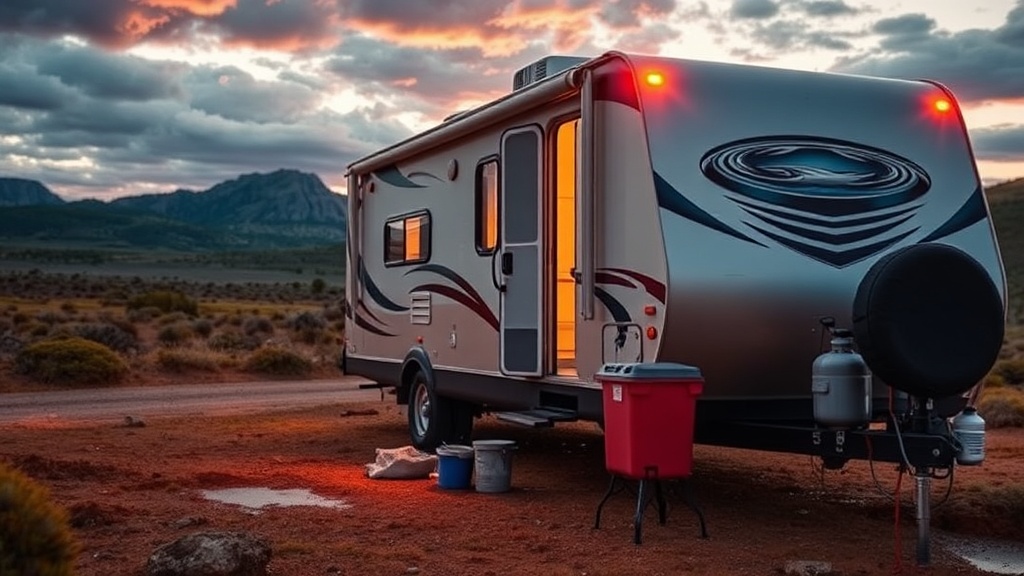
The Practical Guide to Stretching Your RV's Holding Tank Life

An astonishing 70% of an RV’s total weight, when fully loaded for a trip, can be attributed to its fresh water and waste holding tanks. That massive volume means that how you manage these systems directly dictates how long you can comfortably stay in your favorite boondocking spots. This guide offers practical, hard-won strategies to truly extend your RV's holding tank life, freeing you from the constant hunt for dump stations and water fill-ups. We’ll cover everything from smart consumption habits to efficient waste disposal, ensuring your off-grid adventures are limited only by your desire to explore, not by your tanks.
How can you make your freshwater last longer?
Your freshwater tank is your lifeline in the backcountry. Every drop counts, and with a few conscious adjustments, you can dramatically extend your supply.
Rethink your shower routine
The average RV shower, with a standard showerhead, can consume anywhere from two to six gallons of water per minute. If you’re like most folks and enjoy a five-minute shower, you’ve just used 10 to 30 gallons—a substantial portion of many RV’s freshwater capacity. The solution lies in what’s often called a “navy shower.” This simple yet effective method involves quickly wetting your body, turning off the water, lathering up with soap, and then turning the water back on for a swift rinse. It might sound spartan, but it’s incredibly effective, often reducing a typical shower’s water use to just a few gallons. Investing in a low-flow showerhead, specifically designed for RVs, can further reduce this consumption without sacrificing comfort. Many modern RV showerheads offer a shut-off valve right on the handle, making navy showers even easier to execute.
Optimize your kitchen water use
Beyond showering, the kitchen is a major freshwater consumer. Think about how you prepare and clean up after meals. Pre-rinsing vegetables before they go into the pot, or even opting for pre-washed produce, saves precious gallons. One-pot meals aren't just convenient; they drastically cut down on dishwashing water. When cooking pasta or boiling vegetables, consider if that hot, starchy water can be repurposed—perhaps for an initial rinse of dirty dishes before they go into the wash basin. Every little bit truly adds up. Instead of running water to thaw frozen foods, plan ahead and let them defrost in the fridge overnight. Even small adjustments in your cooking routine can lead to substantial freshwater savings over a multi-day trip.
Master dishwashing techniques
Dishwashing can be another black hole for freshwater and a fast-filler of your gray tank. The most effective method is a two-basin system: one basin for washing (with minimal, soapy water) and one for a quick rinse. Before anything touches water, though, scrape every bit of food debris into the trash. This not only saves water by reducing the need for heavy scrubbing but also prevents food particles from entering your gray tank, which can cause odors and clogs. For persistent grime, a quick wipe with a paper towel can often handle what a full rinse would otherwise require. Biodegradable, concentrated dish soap also helps, as a small amount goes a long way and is kinder to your tanks (and the environment if you happen to be in a location where grey water disposal is permitted and responsible).
Consider separate drinking water
While your RV's freshwater tank is perfectly safe for drinking (assuming proper maintenance and filtration), carrying a separate supply of bottled or filtered water solely for drinking and cooking can be a game-changer. This ensures you always have clean, potable water on hand, regardless of your tank levels, and it reduces the overall draw from your main freshwater supply. Many boondockers keep a 5-gallon jug of filtered water in their rig, refilling it from home or trusted sources. This strategy also keeps your main tank water reserved for showering and basic hygiene, extending its life significantly.
What are the best ways to manage gray and black water tanks efficiently?
Managing waste tanks effectively is just as important as conserving freshwater. Your gray water tank fills quickly, often dictating the length of your stay, while your black water tank requires careful handling to prevent unpleasant issues.
Smart gray water practices
Your gray tank collects water from sinks and showers. Since it often fills faster than your black tank, delaying its capacity limit is key. We’ve already covered water-saving dishwashing, which directly impacts gray water. Another tactic involves taking certain hygiene tasks outside your RV. Brushing teeth, washing hands, or even a quick face wash can often be done outdoors using a small amount of water from a separate container, provided you use biodegradable soap and are mindful of your surroundings. Some seasoned campers, in appropriate environments (like vast desert landscapes where it can quickly evaporate and won't contaminate water sources), will even shower outside using a portable shower connected to their freshwater supply, letting the gray water disperse naturally. Always check local regulations before doing so, as this practice is prohibited in many areas. For more general water-saving tips, you might find resources like the