Why Your Camp Shower Water Is Always Too Cold

Your Solar Bag Is Not Getting Enough Sun
The Heat Loss From Your Water Container
Incorrect Water-to-Soap Ratios
Lack of Pre-Warming Insulation
This article explains the technical and environmental reasons why your camp shower water temperature remains inconsistent or uncomfortably cold and provides specific solutions to ensure a warm shower during your next road trip or camping excursion. You will learn about heat loss in portable systems, the limitations of solar heaters, and how to optimize your water heating setup for better temperature control.
The Physics of Heat Loss in Portable Water Systems
The primary reason your camp shower water feels cold is the rapid rate of thermal transfer from your water container to the surrounding air. Unlike a home plumbing system, which uses insulated pipes and a continuous heat source, camping setups often rely on static reservoirs. As soon as you stop heating the water, it begins losing energy to the environment through conduction, convection, and radiation.
If you are using a standard plastic Jerry can or a basic bladder to hold your heated water, the material acts as a poor insulator. Plastic has low thermal mass, meaning it does not hold heat well and allows the temperature to drop significantly within minutes of leaving the heat source. To combat this, you must consider the insulation properties of your storage vessel. Using a vacuum-insulated stainless steel jug, such as a YETI Rambler or a Stanley Thermos, will keep water at a much higher temperature than a standard polyethylene container.
Ambient Air Temperature and Wind Chill
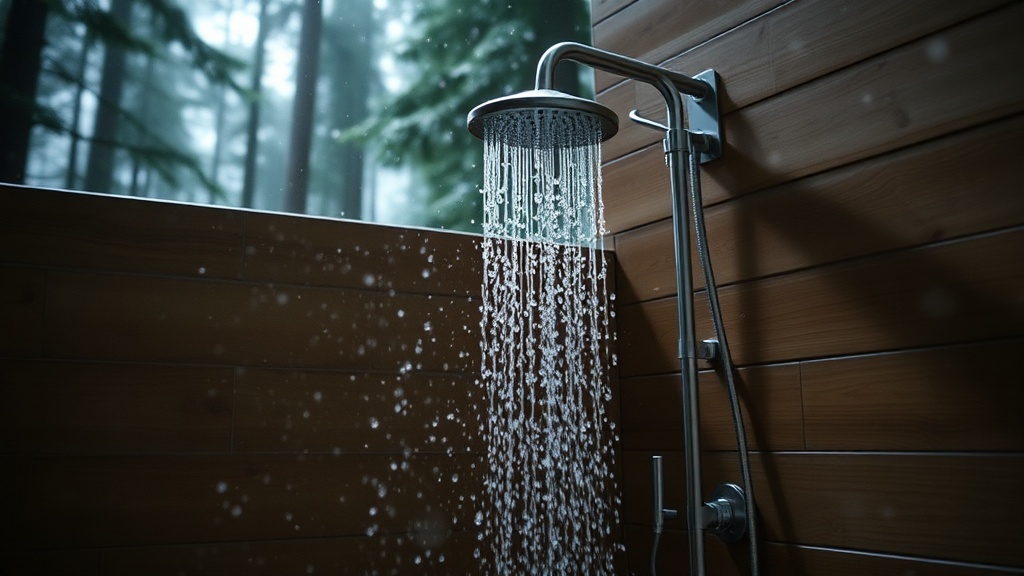
Even if your water starts at a high temperature, the air temperature at your campsite plays a massive role in how "cold" that water feels. This is due to the wind chill effect on the water stream itself. As water leaves the showerhead, it breaks into small droplets, increasing its surface area. This high surface area allows the surrounding air to strip heat away from the droplets almost instantly before they even touch your skin.
If you are camping in high-wind areas like the high desert of Utah or the coastal regions of Oregon, your shower water will feel significantly colder than it would in a sheltered forest. To mitigate this, you should set up your shower in a windbreak. Using a dedicated privacy tent, such as an Ozark Trail pop-up, provides more than just privacy; it creates a microclimate that reduces the wind's ability to strip heat from the water stream.
Common Mistakes with Solar Shower Bags
Solar shower bags are popular for their simplicity, but they are often the culprit behind disappointing shower experiences. Most budget solar bags rely solely on solar radiation to heat the water inside a dark-colored plastic pouch. This method is highly inconsistent and depends entirely on the intensity of the sun and the angle of the bag.
A common mistake is hanging the bag too high or in a spot where it is partially shaded by a tree or your vehicle. If the bag is not receiving direct, unobstructed sunlight for several hours, the water temperature will never reach a comfortable level. Furthermore, once you begin pouring the water, the temperature drops rapidly because the bag has very little insulation. If you are using a solar bag, you should treat it as a "pre-heat" step rather than a primary heating method.
The Limitations of Gravity-Fed Systems
Gravity-fed showers, which are common in many camping setups, also contribute to the sensation of cold water. Because these systems often use low pressure, the water flow is slow. A slow flow means the water spends more time traveling through the hose and the showerhead—both of which are exposed to the cool air—before reaching you. This prolonged exposure leads to significant heat loss. If you find that your water is lukewarm at the start but turns cold mid-shower, the slow flow rate is likely the reason.
Optimizing Your Water Heating Methods
To achieve a truly warm shower, you need to move beyond basic solar bags and implement more reliable heating techniques. Depending on your setup—whether you are in a van or a traditional tent camp—you can use several different methods to ensure consistent warmth.
Using a Propane Burner for Pre-Heating
The most reliable way to get hot water for a camp shower is to heat it manually using a portable stove or a propane burner. Instead of relying on the sun, you can heat a large volume of water in a stainless steel pot over a Coleman Liquid Propane Stove or a Jetboil. Once the water reaches your desired temperature, transfer it to an insulated container. This method ensures that the water is actually hot, rather than just "not cold," which is a common issue with solar bags.
When using this method, be careful not to overheat the water. Water that is too hot can cause burns, especially if you are using a handheld showerhead with limited temperature control. Always test the water with your hand or a thermometer before starting your shower.
Implementing a Two-Stage Heating System
A professional tip for long-term campers is to use a two-stage system: a "heating stage" and a "distribution stage." In the heating stage, you use a high-output heat source (like a propane stove) to bring a large volume of water to a high temperature. In the distribution stage, you move that water into a high-quality, insulated vessel. This prevents the temperature drop that occurs when water is stored in non-insulated camping gear. If you are concerned about water quality during this process, ensure your heating vessel is clean and free of residues, as improper water storage can often lead to unpleasant tastes or odors.
Upgrading Your Hardware for Better Results
If you find that you are constantly frustrated by cold water, it may be time to upgrade your shower hardware. The quality of your showerhead and hose can directly impact your thermal experience. Cheap plastic showerheads often have thin walls that allow heat to escape quickly.
- Insulated Hoses: Look for shower hoses that are thicker or have a layer of insulation. This helps maintain the temperature of the water as it travels from the reservoir to the showerhead.
- High-Pressure Showerheads: A showerhead that provides a more concentrated stream can help combat the cooling effect of the wind. A higher pressure also means you can complete your shower faster, minimizing the time you are exposed to the air.
- Dedicated Water Heaters: For those living in vans or heavy-duty trailers, investing in a dedicated 12V or propane water heater (like those made by Dometic or Fiamma) is a game-changer. These systems provide a continuous flow of heated water, eliminating the "cold shock" often felt with portable bags.
Practical Checklist for a Warm Camp Shower
Before you head out on your next trip, use this checklist to ensure your water heating system is prepared for the environment you will be in:
- Check the Forecast: If temperatures are expected to drop below 50°F (10°C), a solar bag will likely not be sufficient. Plan to use a propane stove for pre-heating.
- Inspect Your Insulation: Ensure your water storage containers are truly insulated. A simple plastic jug will not hold heat for more than a few minutes in the wind.
- Set Up a Windbreak: Position your shower area behind your vehicle or a dedicated privacy tent to protect the water stream from the wind.
- Test Your Flow Rate: If using a gravity-fed system, ensure the hose is not kinked and that the flow is sufficient to get the shower over with quickly.
- Prepare Extra Water: If you are heating water manually, always make more than you think you need. It is better to have excess warm water than to run out of hot water halfway through your rinse.
By understanding the relationship between insulation, ambient temperature, and your heating method, you can move away from the frustration of cold camp showers. Whether you are a weekend warrior or a full-time vanlifer, these technical adjustments will make your outdoor hygiene routine much more comfortable.