Prepping Your Van's Water System for Long-Distance Off-Grid Living

The Silent Crisis of the Empty Tank
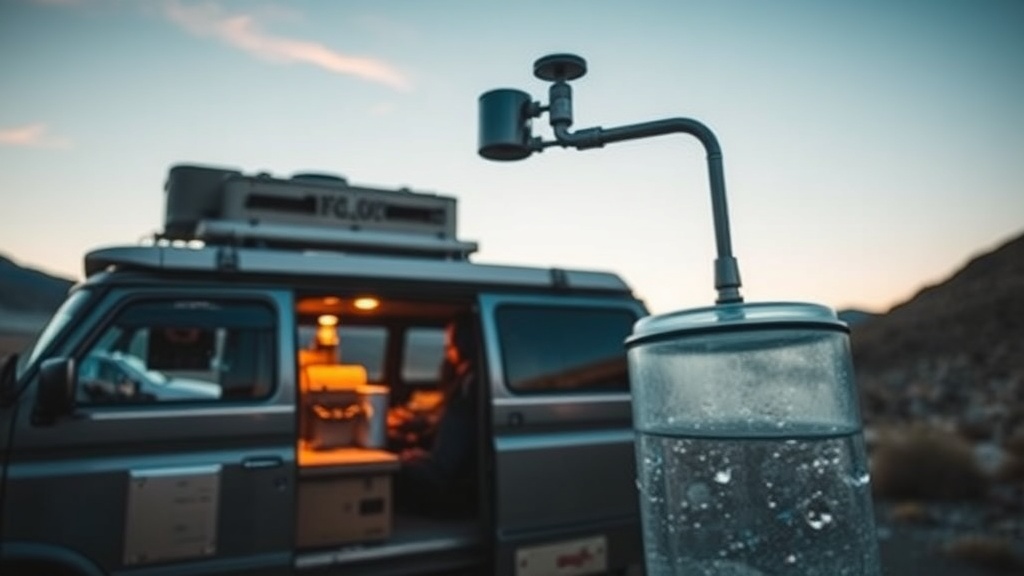
A van traveler pulls into a remote stretch of the Mojave Desert, the sun dipping low behind the Joshua trees. They reach for the faucet to rinse a single coffee mug, only to hear the hollow, rhythmic wheezing of a water pump struggling against air. The tank is bone dry. In the high desert, where the nearest potable water station might be fifty miles away through winding canyon roads, a failed water system isn't just an inconvenience—it is a logistical crisis that can halt a journey entirely.
Off-grid living requires a shift in mindset from "using water" to "managing a finite resource." When you are living out of a van or a small travel trailer, your water system is a closed loop that relies heavily on your ability to maintain pressure, ensure filtration, and prevent contamination. Whether you are navigating the dusty trails of Moab or the coastal forests of the Pacific Northwest, your water setup must be robust enough to handle the rigors of constant motion and varying temperatures.
The Anatomy of a Reliable Van Water System
Before heading into the backcountry, you must understand the individual components that make up your mobile plumbing. A standard off-grid setup typically consists of a freshwater storage tank, a 12V water pump, a filtration system, and a distribution network of tubing and faucets.
Selecting the Right Storage Tank
For long-distance travel, the size of your tank dictates your autonomy. A 20-gallon tank might suffice for weekend trips near town, but for true off-grid living, a 30 to 40-gallon capacity is the gold standard. When choosing a tank, look for food-grade polyethylene containers. Avoid anything that lacks a "BPA-free" or "food-grade" certification, as these can leach chemicals into your drinking water over time, especially when exposed to the heat of a parked van.
Mounting is just as important as capacity. In a moving vehicle, water sloshes (the "free surface effect"), which can shift the center of gravity and affect your driving stability. Secure your tank using heavy-duty nylon ratcheting straps or custom-fabricated metal brackets. If you are using a rigid tank, ensure it is positioned as low and as central in the van as possible to maintain a low center of gravity.
The Heart of the System: The 12V Pump
Most van builds utilize a 12V diaphragm pump, such as the SEAFLO 33 or 42 series. These pumps are excellent because they are designed to run dry for short periods without immediate failure, which is crucial if your tank runs low. However, you should never rely on this as a permanent state.
- Pressure Switches: Ensure your pump has an adjustable pressure switch. This allows you to set the exact PSI (pounds per square inch) you want at your faucet. A setting of 45-50 PSI is usually ideal for standard household-style faucets.
- Accumulator Tanks: If you notice your pump "pulsing" or cycling on and off rapidly every time you turn on the tap, you need an accumulator tank. This small pressurized bladder sits between the pump and the faucet, smoothing out the pressure and extending the lifespan of your pump motor.
Filtration and Water Purification Strategies
When you are off-grid, you cannot always rely on filling your tank with pristine, municipal water. You will likely be filling up at campgrounds, gas stations, or even using a portable bladder filled from a natural source. This makes a multi-stage filtration system non-negotiable.
Stage 1: Sediment and Particulate Removal
Before water ever touches your drinking faucet, it should pass through a sediment filter. A 5-micron pleated filter or a spun poly filter will catch sand, silt, and rust particles that often hide in campground spigots. This protects your more expensive fine filters from clogging prematurely.
Stage 2: Carbon Filtration for Taste and Odor
The most common complaint with tank water is the "plastic" or "metallic" taste. An activated carbon filter is the solution. Brands like Camco offer various inline filters that effectively strip out chlorine, VOCs (volatile organic compounds), and unpleasant odors. This is essential if you are using water sourced from a local utility that uses heavy chlorination.
Stage 3: Microbiological Protection
If you are filling up from non-traditional sources, you must address bacteria and protozoa. While a standard carbon filter won't kill viruses, an UV Sterilizer (like the SteriPen system) or a high-quality 0.1-micron hollow fiber filter can provide that extra layer of safety. For long-term van dwellers, integrating a Berkey Water Filter or a similar gravity-fed system inside the van provides a reliable way to treat water without draining your electrical battery.
Maintenance and Winterization Protocols
A water system is not a "set it and forget it" installation. It requires regular maintenance to prevent biofilm buildup and mechanical failure.
Preventing Biofilm and Algae
Stagnant water in a dark, warm van is a breeding ground for biofilm—a slimy layer of bacteria that can coat your tank walls and tubing. To prevent this, use a specialized tank cleaner or a very diluted solution of food-grade citric acid once every few months. Additionally, consider adding a few drops of food-grade vegetable glycerin or a specialized water stabilizer to your tank to keep the water "fresh" longer during extended stationary periods.
The Dreaded Freeze: Protecting Your Lines
If your route takes you through the high elevations of the Sierra Nevada or the Rockies during shoulder seasons, you must be prepared for freezing temperatures. Even a single night of sub-freezing weather can crack a plastic pump housing or burst a PEX line.
- The Drain Method: If you know you will be camping in freezing temperatures, completely drain your system. Open all faucets and use a small air compressor or even a hand pump to blow any remaining moisture out of the lines.
- Heat Tape: If you cannot drain the system, wrap your external water lines in electric heat tape and insulate them with foam pipe insulation. However, this requires a significant amount of power, which can strain your electrical system.
- Tank Insulation: Wrap your freshwater tank in reflective bubble insulation (like Reflectix) to provide a thermal buffer against ambient temperature drops.
Optimizing Your Water Usage for Longevity
Efficient water management is a skill that develops over time. To maximize your time off-grid, you must rethink how you use every drop. This isn't just about conservation; it's about system longevity.
The Two-Basin Method: Instead of using a single large sink for everything, use a small dedicated basin for washing hands or rinsing small items, and a larger, deeper basin for heavy cleaning. This prevents your "clean" water from being contaminated by food scraps and grease immediately.
Gray Water Management: Don't forget that every gallon you use goes somewhere. If you are using a gray water tank, ensure it has a dedicated drain valve that is easily accessible. In many off-grid setups, people use a simple collapsible bucket system for gray water, but a fixed tank with a HepcoSure or similar valve is much more professional and prevents accidental spills during transit.
When you are managing your power needs to keep these systems running, remember that your water pump and any heater/UV system are part of your total electrical load. If you are running low on battery, you may need to prioritize your essential electronics. For more information on managing your electrical loads, see our guide on building a reliable solar power array for your van life setup.
Final Checklist for the Road
Before you pull out of your driveway for a long-distance trek, run through this quick diagnostic checklist:
- Check for Leaks: Run your pump for five minutes and inspect every connection point, especially the fittings under the sink and near the pump.
- Inspect Filter Life: Are your sediment and carbon filters fresh? If they look discolored, replace them now rather than in the middle of a desert crossing.
- Verify Pump Pressure: Turn on the tap and ensure the pressure is consistent and the pump shuts off promptly when the tap is closed.
- Test the Accumulator: Ensure there is no significant delay in water flow when the tap is opened.
A well-maintained water system is the difference between a stressful mechanical failure and a seamless, immersive outdoor experience. Respect the water, maintain your hardware, and you will find much more freedom in the wild.
Steps
- 1
Assess Your Daily Water Consumption Needs
- 2
Install High-Quality Inline Filtration
- 3
Implement a Dual-Tank Storage Strategy
- 4
Sanitize Your System Regularly