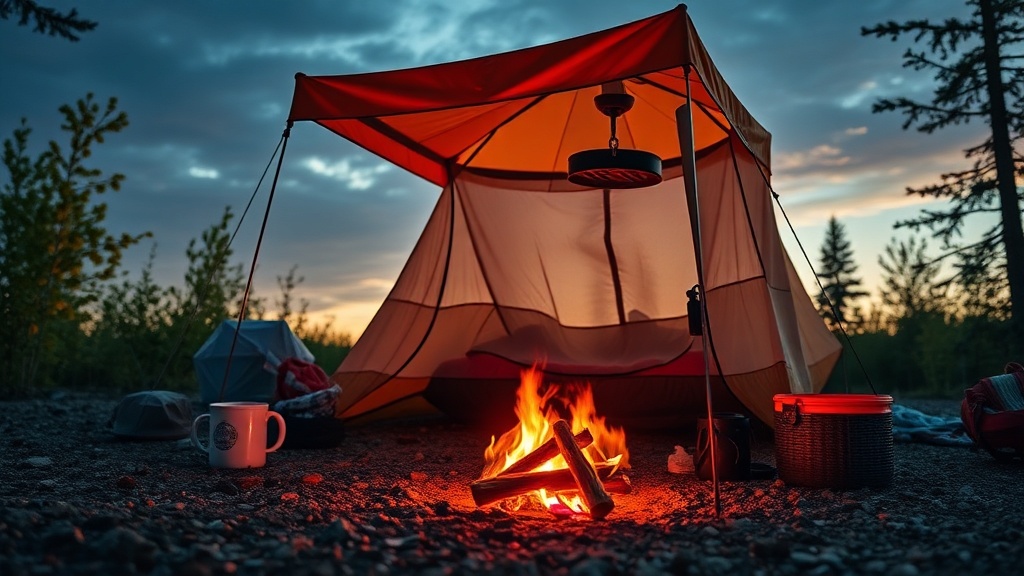
Keep Your Campsite Cool with These Low-Power Cooling Hacks

Learn how to manage temperatures in your van, tent, or camper using low-wattage solutions that won't drain your battery bank.
Managing heat while camping is a significant challenge, especially when you are operating on a limited power budget. Whether you are living in a converted van or staying in a lightweight tent, high-draw appliances like traditional air conditioners can quickly deplete a portable power station or solar setup. This guide focuses on high-efficiency, low-power cooling methods—ranging from airflow optimization to specialized small-appliance hacks—to keep your sleeping area comfortable without risking a dead battery.
Maximize Airflow and Natural Ventilation
The most effective way to stay cool without using any electricity is to manipulate the air moving through your space. If you are stationary, you must create a cross-breeze to prevent hot air from pooling inside your shelter.
The Dual-Fan Cross-Ventilation Technique
Instead of placing a single fan in the middle of a room, place two fans at opposite ends of your living space. Position one fan near an open window or door to blow fresh, cooler air in, and position the second fan near another opening to blow the hot air out. This creates a continuous cycle of air exchange. If you are using a van, placing a fan in the rear door facing outward can effectively pull the rising heat out of the cabin while a front window fan pulls air in.
Utilizing High-Mounted Vents
Heat rises. In any enclosed space like a camper or a rooftop tent, the hottest air accumulates near the ceiling. If your setup includes a MaxxFan or a similar roof vent, ensure it is running on the "exhaust" setting during the hottest parts of the day. This pulls the hottest air out of the vehicle and prevents it from radiating back down onto your bed. If you are in a tent, ensure your rainfly is elevated slightly above the tent body to allow air to circulate between the two layers, preventing the "greenhouse effect."
Low-Wattage Electrical Solutions
When you need active cooling but cannot afford the 40-60 amp draw of a standard rooftop AC unit, you must look toward DC-powered or low-wattage AC fans and evaporative coolers. These tools are designed to run on smaller battery banks and are essential for those building a reliable solar power array for long-term off-grid use.
USB-Powered and 12V DC Fans
Standard plug-in fans often require an inverter, which loses efficiency through the conversion process. To save power, use 12V DC fans or USB-rechargeable fans. A 12V fan draws power directly from your auxiliary battery, bypassing the need for an inverter. Brands like Sirocco or even high-quality portable USB fans from brands like Luna are excellent for targeted cooling. A small USB fan directed specifically at your face while sleeping uses significantly less energy than trying to cool an entire van interior.
Evaporative Coolers (Swamp Coolers)
Evaporative coolers work by passing hot air over water, which cools the air through evaporation. These are highly effective in dry, arid climates like the high deserts of Utah or Arizona. However, they are less effective in high-humidity environments like the Southeast. A small, portable evaporative cooler can run on much less power than a compressor-based AC unit. Ensure you use a model that can be powered via a 12V cigarette lighter socket or a USB port to keep your power consumption at a minimum.
Thermal Management and Heat Prevention
The best way to stay cool is to prevent heat from entering your campsite or vehicle in the first place. Once the interior of a van or tent reaches a high temperature, it requires significantly more energy to bring it back down.
Reflective Insulation and Window Covers
If you are driving a van or a truck camper, your windows are your biggest source of heat gain. Custom-fit, reflective window covers (often called "Reflectix" covers) are essential. These act as a barrier, reflecting sunlight away before it can heat the interior surfaces. For those living in vans, blacking out the windows not only provides privacy but also significantly lowers the interior temperature during midday sun. You can also use external sunshades or even a simple light-colored tarp draped over your campsite to create a "shade footprint" around your vehicle.
Managing Internal Heat Sources
Every appliance you use generates heat. If you are cooking inside a small space, you are adding to the thermal load. To keep things cool, move high-heat activities outside. If you are using a camp stove to prepare a meal, do it well away from your sleeping or sitting area. If you must cook inside, be aware that even small electronics and lights contribute to the temperature. For those who rely on heavy meal prep, transitioning to freeze-dried gourmet meals can reduce the time you spend using heat-generating appliances, keeping your living space much cooler.
The "Wet Sheet" and Ice Hack
This is an old-school method used by long-term travelers to drop temperatures in a tent or a small van cabin without using any electricity at all.
The Evaporative Sheet Method
If you have a breeze or a low-wattage fan running, hang a damp (not dripping) sheet in front of the airflow. As the water evaporates from the cloth, it draws heat away from the air, creating a localized cooling effect. This is particularly effective in dry climates. You can also place a large bowl of ice or frozen water bottles directly in front of a small USB fan. This creates a "DIY air conditioner" that provides a stream of chilled air for a few hours at a time.
Pre-Cooling Your Bedding
Before you go to bed, you can use your limited cooling resources to prep your sleeping area. If you have a small 12V compressor fridge, you can place a few frozen water bottles in your sleeping bag or near your pillow for a short period. Additionally, using linen or bamboo sheets instead of heavy cotton can help with moisture wicking, which is vital for staying cool in humid environments.
Summary Checklist for Low-Power Cooling
To ensure you are using your energy and gear effectively, follow this quick checklist when setting up your campsite:
- Check the wind direction: Position fans to facilitate a cross-breeze.
- Deploy window covers: Use reflective materials to block solar gain immediately.
- Prioritize DC power: Use 12V or USB fans to avoid inverter energy loss.
- Ventilate the ceiling: Ensure your highest exhaust point (roof vent or top tent flap) is open.
- Minimize internal heat: Cook outside and limit the use of high-wattage electronics during peak heat.
By focusing on these low-impact, high-efficiency methods, you can maintain a comfortable environment without the constant worry of running out of power. Effective cooling is about managing air, light, and moisture, rather than simply relying on raw electrical power.